

Rural & Acreage Properties in Sonoma County
Buying or selling rural property in Sonoma County requires more than a standard residential approach. Land, access, wells, septic systems, outbuildings, ADUs, zoning, privacy, and property usability can all affect value, buyer demand, and negotiation.
A country home outside Sebastopol, a wooded property near Occidental, a horse-friendly parcel near Forestville, a vineyard-adjacent estate near Graton, or coastal acreage near Bodega may all be considered rural property, but each requires a different evaluation. The home matters, but so do the land, systems, setting, improvements, and long-term ownership realities.
I help clients evaluate, prepare, market, and negotiate distinctive rural and acreage properties throughout Sonoma County, with deep emphasis on West Sonoma County and its surrounding rural communities.
What Makes a Sonoma County Property “Rural”?
A rural property may be a home on several acres, a country estate, a hobby farm, a vineyard-adjacent property, a horse property, a wooded retreat, or a multi-structure compound. What makes it rural is not only the amount of land, but the ownership considerations that come with location, infrastructure, access, and use.
In Sonoma County, rural property often means a buyer or seller is dealing with more than the house itself. A property may rely on a private well and septic system. It may sit on a shared road with maintenance obligations. It may include barns, shops, guest houses, studios, garden areas, fencing, pastures, or older improvements with limited documentation. It may also involve questions around zoning, agricultural use, fire risk, insurance, drainage, tree coverage, or long-term land maintenance.
This is why rural property should not be evaluated like a standard subdivision home. Two properties with similar acreage can have very different value depending on whether the land is usable, accessible, sunny, fenced, improved, wooded, steep, open, or supported by reliable infrastructure.

Land and Usability
Usable acreage, slope, fencing, gardens, pasture, vineyards, trees, and open space all influence value.
Acreage is not valuable simply because there is more of it. Buyers want to understand how the land functions. A smaller parcel with level, sunny, usable ground may be more appealing to some buyers than a larger parcel with steep terrain, limited access, or heavy tree coverage. In West Sonoma County, land can vary dramatically between Sebastopol’s rural outskirts, Occidental’s redwood settings, Forestville’s vineyard and country roads, and coastal-influenced acreage near Bodega.
For sellers, the listing strategy should make land use clear. Buyers should be able to understand where the gardens, pasture, vineyard rows, outbuildings, open areas, trails, or outdoor living spaces are located and how they support the property.

Infrastructure
Wells, septic systems, private roads, drainage, power, internet, and maintenance needs are central to rural ownership.
Many buyers relocating from urban or suburban markets are unfamiliar with rural systems. They may love the setting but need guidance around water supply, septic capacity, propane, backup power, internet access, road maintenance, drainage, and seasonal conditions. These details can affect comfort, financing, insurance, inspections, and long-term confidence.
For sellers, infrastructure should be addressed early. Clear documentation and thoughtful preparation can reduce uncertainty and strengthen the buyer’s understanding of the property.

Structures and Improvements
Homes, ADUs, guest houses, barns, shops, studios, and agricultural buildings often shape rural property value.
A rural Sonoma County property may include multiple structures with different uses and levels of documentation. A barn may support animals, storage, equipment, or hobby farming. A studio may appeal to creative buyers. An ADU or guest house may expand flexibility for family, guests, or potential income. A workshop may be a major advantage for a buyer who needs space beyond the main residence.
These improvements should be represented accurately. Buyers need to understand what exists, how it functions, what documentation is available, and how each structure contributes to the whole property.

Location and Access
Drive time, road conditions, easements, privacy, fire risk, and proximity to town can all affect rural property value.
A rural property may feel private and peaceful, but buyers also need to understand daily logistics. How long does it take to reach Sebastopol, Santa Rosa, Forestville, Occidental, Bodega Bay, or Highway 101? Is the road public or private? Is there a shared maintenance agreement? Does the driveway function well in winter? Is the property easy for guests, service providers, emergency vehicles, or delivery access?
In rural real estate, access is not a small detail. It is part of how the property lives.
"Price per square foot alone doesn't tell the story in a rural market. We look at the land first, then the utility, then the structure."
Types of Rural and Acreage Properties in Sonoma County
Rural Sonoma County includes a wide range of property types, each with its own pricing, preparation, marketing, and due diligence considerations. A country home, horse property, vineyard estate, wooded retreat, and multi-structure compound may all share a rural setting, but they attract different buyers and require different representation.
The strongest strategy begins by identifying what kind of rural property is being sold or purchased and what details matter most to that buyer pool.
Country Homes
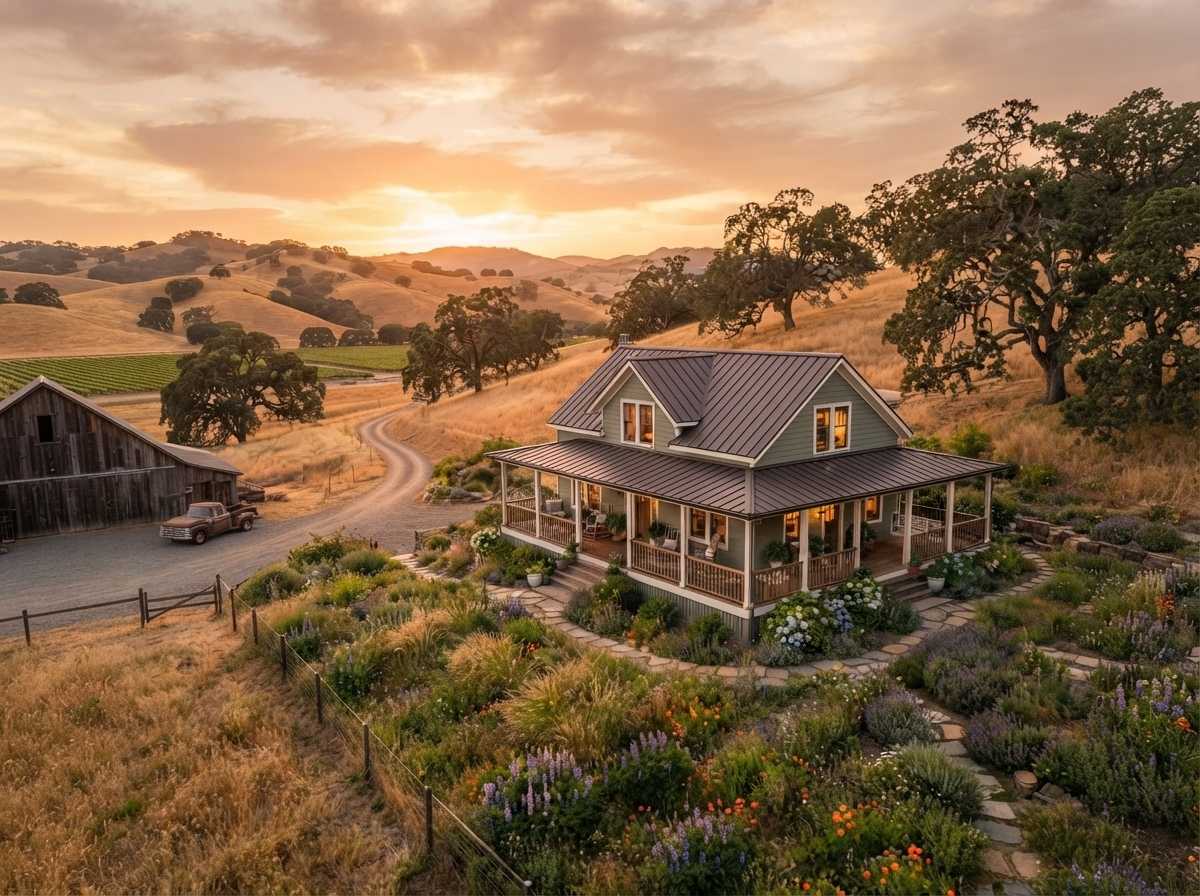
Country homes offer privacy, views, gardens, land, and a quieter setting outside town centers.
In West Sonoma County, country homes may sit just outside Sebastopol, along rural roads near Graton or Forestville, in redwood settings near Occidental, or near the coastal influence of Bodega and Bodega Bay. Buyers are often seeking a lifestyle shift: more space, more quiet, more connection to nature, and more flexibility than an in-town property provides.
For sellers, the strategy should communicate both the charm and the practical strengths of the property. Buyers want to know what makes the setting desirable and how the home functions day to day.
Acreage Properties
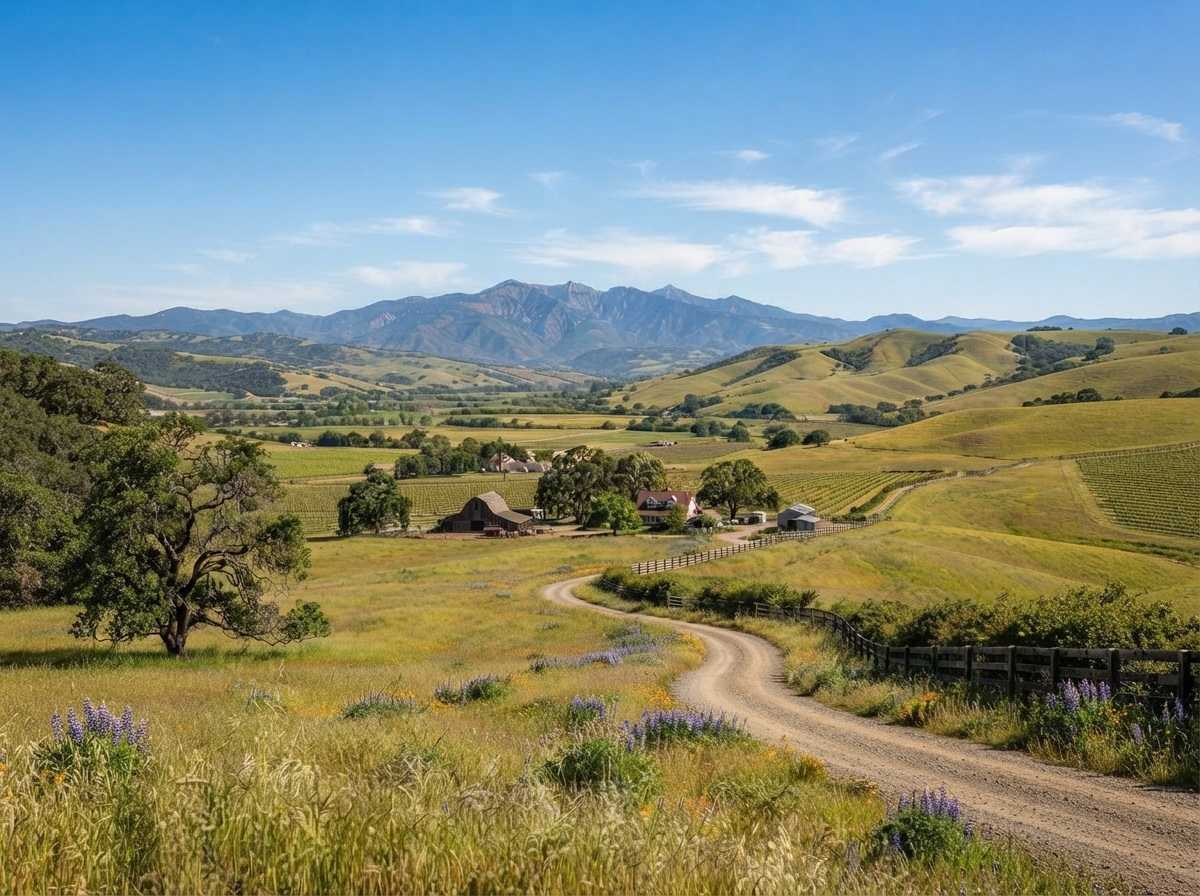
Acreage properties are defined by the amount, usability, and layout of land.
The most important question is not simply “How many acres?” It is “What can the land actually do?” Usable acreage may support gardens, animals, vineyards, outdoor living, privacy, buffers, trails, or future flexibility. Less usable land may still provide beauty, privacy, and views, but buyers need to understand the difference.
Pricing and marketing should make the land easy to interpret. Maps, aerial photography, clear descriptions, and thoughtful showing preparation can help buyers understand the full offering.
Estate Properties
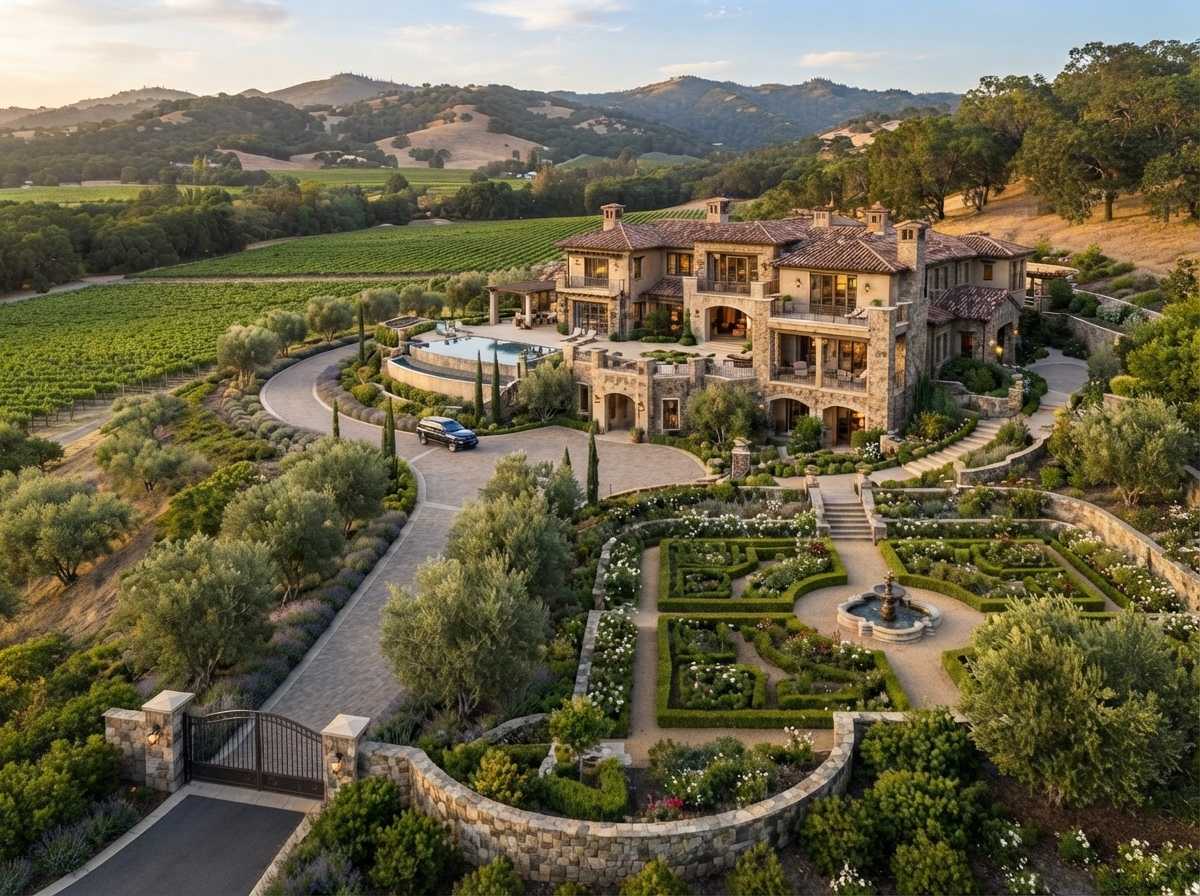
Estate properties are larger properties with privacy, multiple improvements, guest structures, or high-value settings.
In Sonoma County, an estate property may include a main residence, guest house, barn, studio, pool, gardens, vineyard rows, gated entry, long driveway, or significant acreage. Some estates are luxury properties, while others are long-held family properties with substantial land and improvements.
Estate sales often require careful preparation and documentation because buyers need to understand the entire property, not just the main home.
Horse Properties
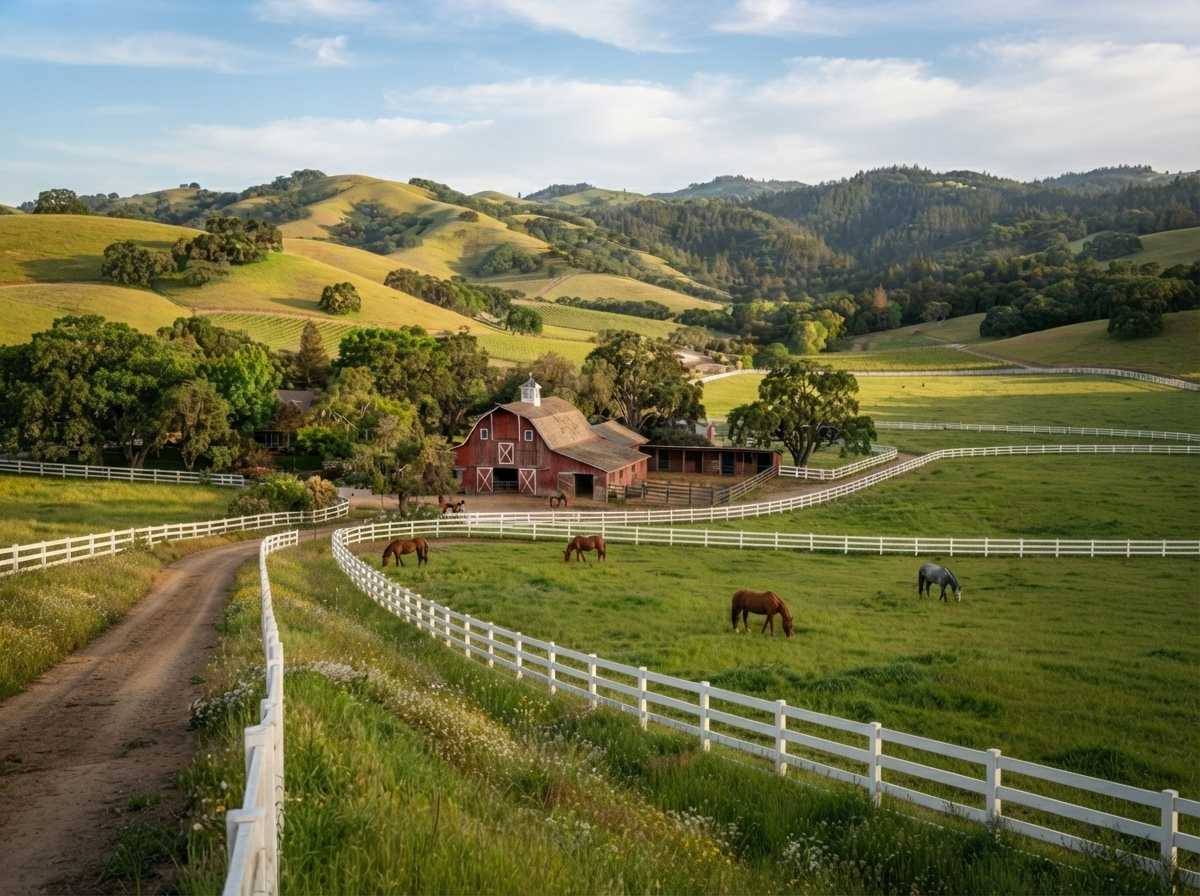
Horse properties require careful review of fencing, barns, pasture, access, drainage, and usability.
A property may have acreage, but that does not automatically make it well-suited for horses. Buyers may need to evaluate pasture quality, shelter, footing, water access, trailer access, fencing, slope, mud management, and proximity to riding areas or services. Sellers should be prepared to explain what infrastructure is already in place and how the property has been used.
Horse property marketing should be accurate and practical. Serious buyers will look closely at function.
Hobby Farms
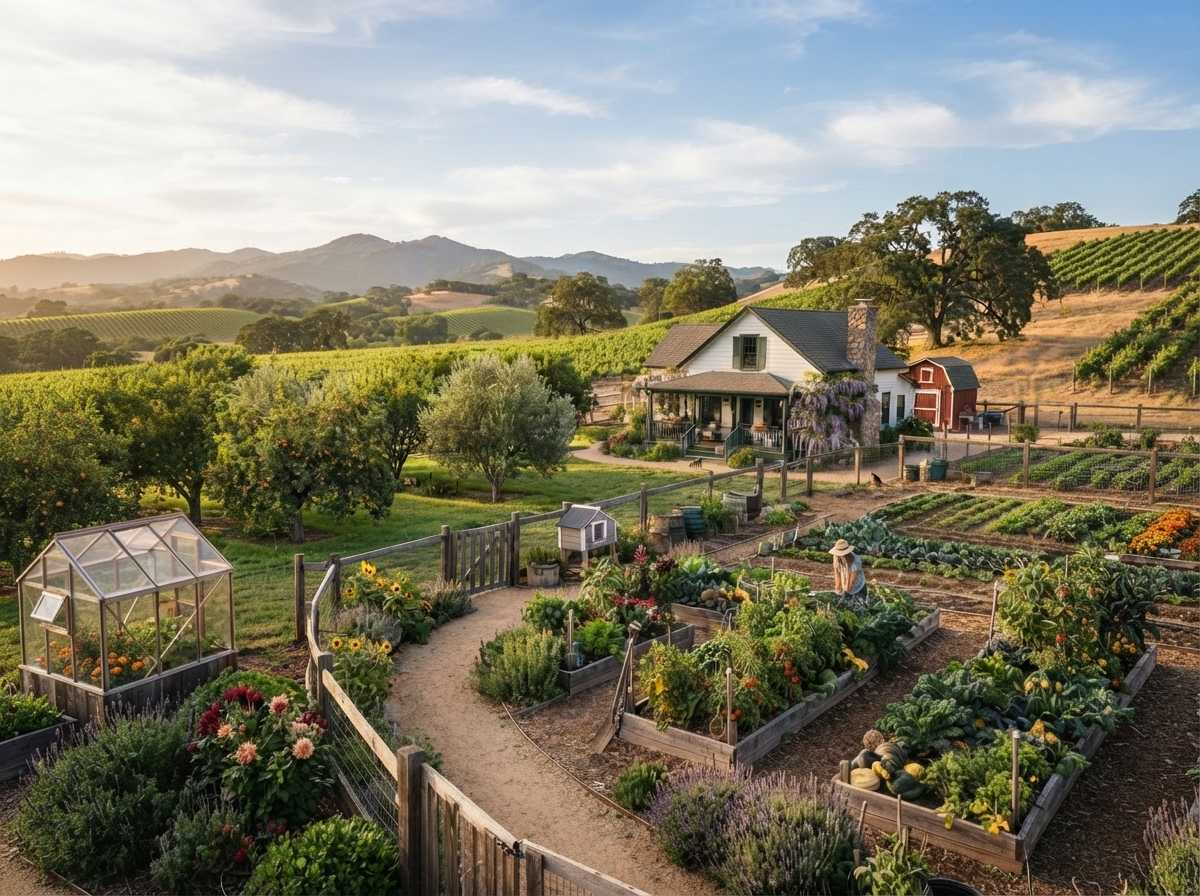
Hobby farms are small-scale agricultural or lifestyle properties with gardens, animals, orchards, or farm infrastructure.
These properties are common in buyer imagination, especially among those relocating from more urban areas. A buyer may want vegetable gardens, fruit trees, chickens, goats, bees, a small orchard, or a farm stand-style lifestyle. The property’s appeal depends on sun, soil, water, fencing, terrain, and existing infrastructure.
For sellers, it is important to show the property’s lifestyle potential while remaining clear about what is currently established and what a buyer would need to verify.
Vineyard Properties
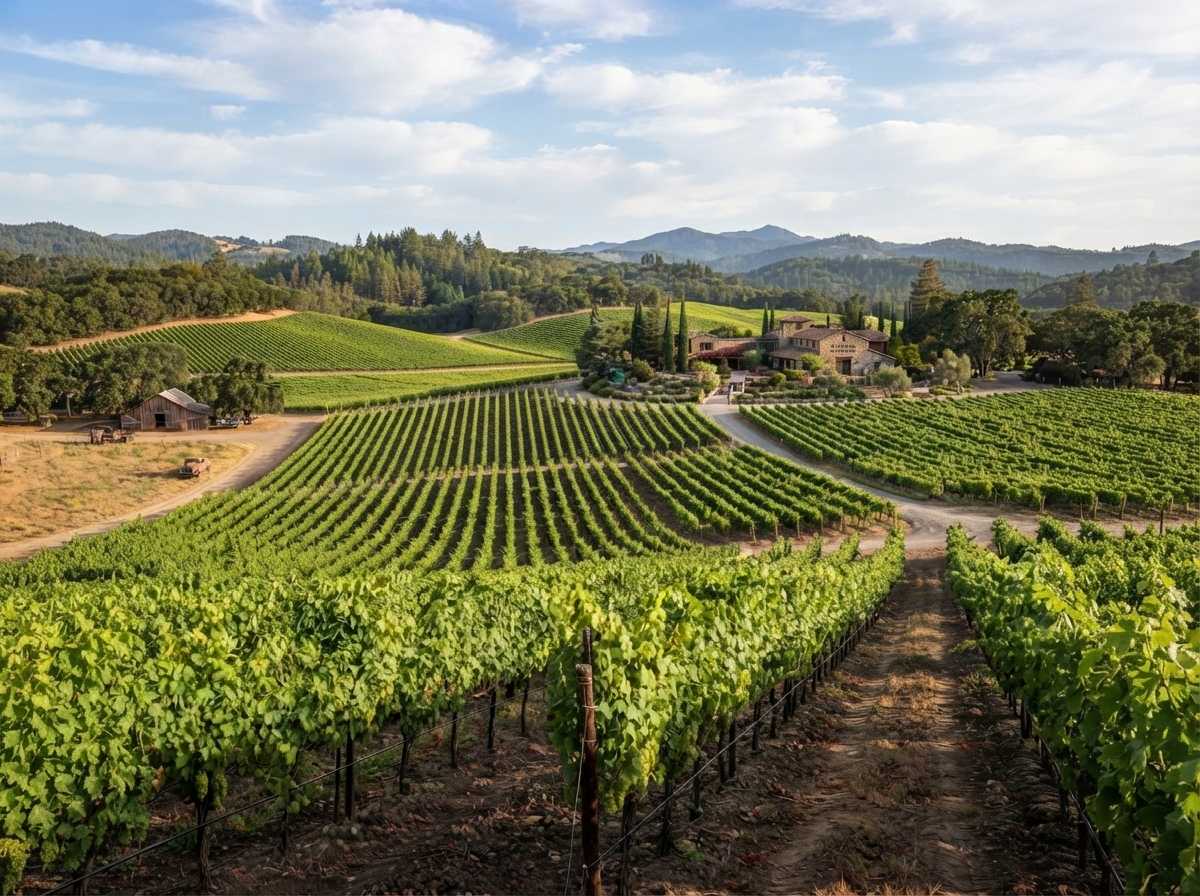
Vineyard properties sit at the intersection of land value, agricultural use, lifestyle, and setting.
Some vineyard buyers care about production, management, contracts, grape variety, and long-term agricultural value. Others value vines as part of the visual identity and lifestyle of the property. In West Sonoma County, vineyard-adjacent and small vineyard properties can have strong appeal, but they require specialized positioning.

Wooded and Timber Properties
Wooded, redwood, and hillside properties require attention to access, fire, tree coverage, light, slope, and maintenance.
A redwood property near Occidental, Monte Rio, Cazadero, or the Russian River can feel private and atmospheric, but buyers should understand the ownership realities. Tree maintenance, defensible space, moisture, road access, sun exposure, and drainage can all affect value and usability.
For sellers, marketing should capture the beauty of the setting while helping buyers evaluate it clearly.
ADU and Multi-Structure Properties
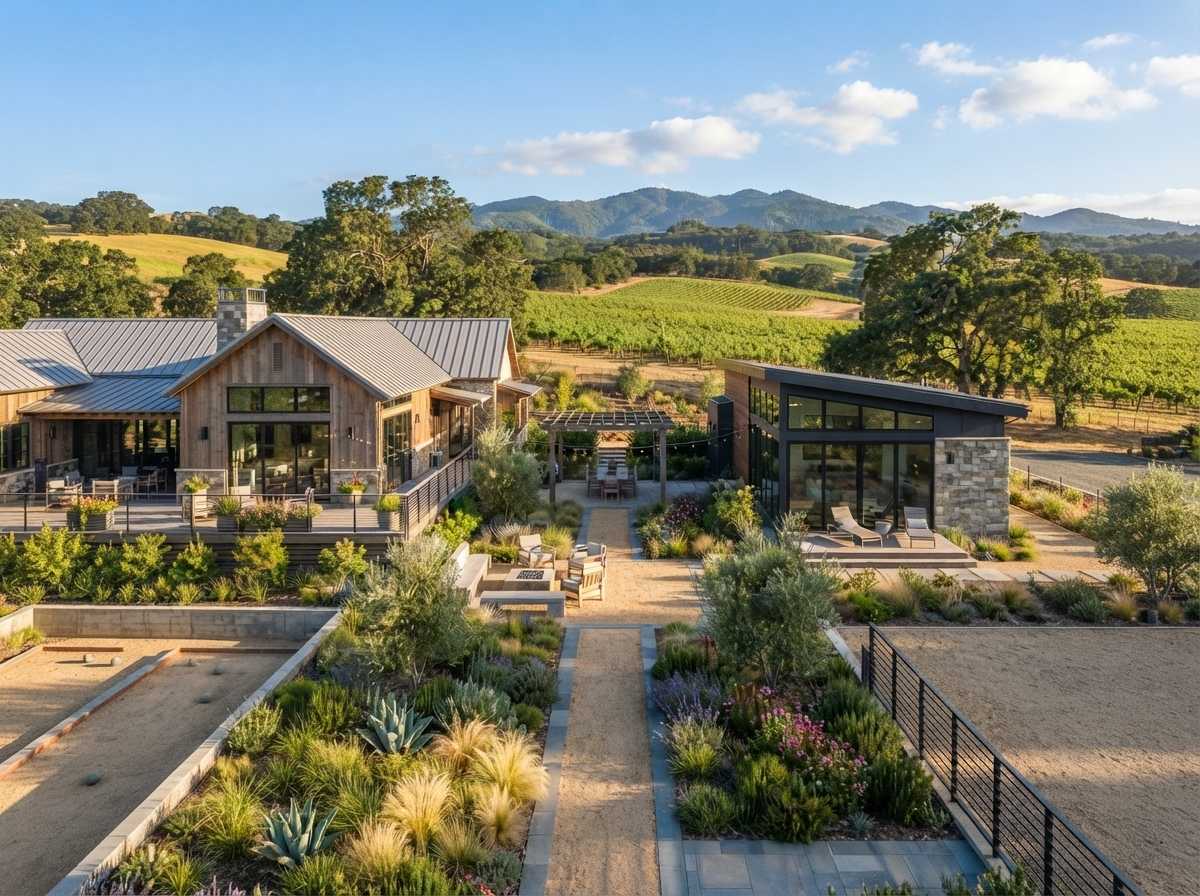
Rural homes with guest houses, studios, barns, workshops, or secondary dwellings can appeal to buyers looking for flexibility.
These properties may support family use, guest accommodations, creative work, caretaking, storage, hobbies, or potential rental value. The key is clear representation. Buyers need to understand which structures are permitted, how they are used, and what documentation is available.
Legacy Family Properties
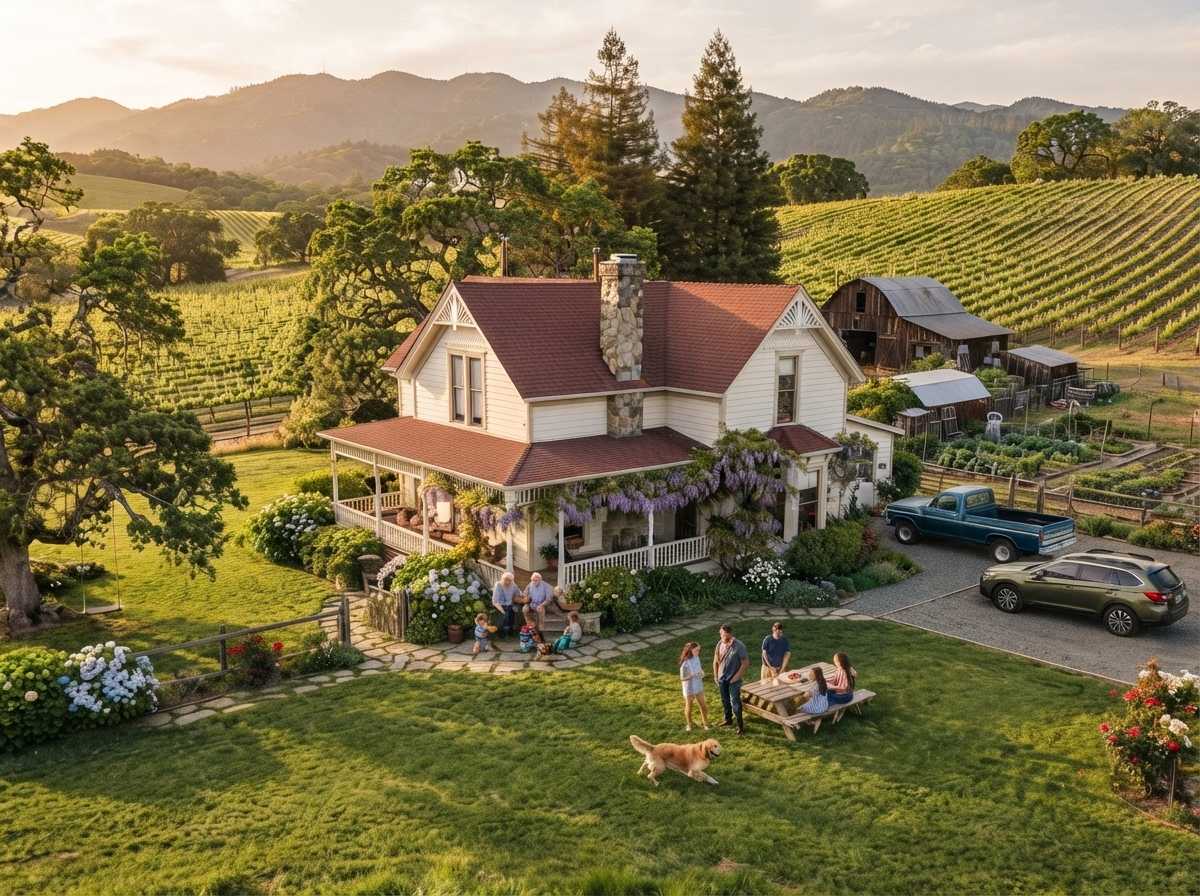
Legacy family properties are long-held rural properties where preparation, documentation, family goals, and timing are especially important.
These sales may involve inherited land, multiple decision-makers, older improvements, deferred maintenance, family history, or a desire to preserve the character of the property. A thoughtful approach can help sellers organize information, prepare the property, and make decisions without rushing or oversimplifying a meaningful asset.
Rural Sonoma County Is Not One Market
Sebastopol / Graton / Forestville
Sebastopol, Graton, and Forestville often combine rural living with access to town, farms, vineyards, restaurants, and community infrastructure.
These areas can appeal to buyers who want privacy and land without feeling too remote. Sebastopol’s rural outskirts may offer gardens, studios, acreage, and proximity to a strong town center. Graton offers a compact village feel surrounded by wine country roads and rural properties. Forestville often sits between vineyard corridors, country homes, and Russian River access.
For sellers, the property’s relationship to town, schools, restaurants, wineries, and daily services can be part of the value story.
Occidental / Freestone
Occidental and Freestone are known for redwood settings, privacy, scenic roads, retreat properties, and distinctive country homes.
Rural properties here often attract buyers seeking quiet, natural beauty, and a stronger sense of retreat. Some properties are wooded and shaded; others open into meadows, ridgelines, gardens, or estate settings. Buyers should evaluate access, light, road conditions, tree coverage, water, and fire considerations carefully.
For sellers, the setting can be a major asset, but it should be explained with enough practical detail to create buyer confidence.
Cazadero, Monte Rio, Guerneville, and Russian River Communities
Cazadero, Monte Rio, Guerneville, and the Russian River communities may involve wooded parcels, river proximity, seasonal considerations, access, slope, and insurance questions.
These areas can offer some of Sonoma County’s most distinctive rural and retreat-style properties. Buyers may be drawn to redwoods, river recreation, privacy, and character homes. At the same time, due diligence may involve flood zones, elevation, road access, moisture, drainage, tree maintenance, and insurance availability.
The market here can be highly property-specific, which makes local context especially important.
Bodega, Bodega Bay, Jenner, and the Sonoma Coast
Rural and coastal properties may be shaped by views, weather, access, septic, coastal regulations, and second-home demand.
Acreage near the coast is not the same as inland acreage. Wind, fog, salt air, view orientation, road access, maintenance, and regulatory context can affect value. Buyers may be drawn by privacy, ocean proximity, recreation, or second-home use, but they need to understand year-round ownership conditions.
Sellers should position coastal rural property with a balance of lifestyle appeal and practical clarity.
Surrounding Rural Sonoma County
Estate, agricultural, horse, and acreage properties outside West County still require the same level of property-specific evaluation.
Across Sonoma County, rural properties may involve agricultural use, open acreage, equestrian facilities, estate compounds, private roads, wells, septic systems, and land-use questions. Even when the setting differs from West County, the need for careful pricing, preparation, documentation, and buyer education remains the same.
Wells, Septic, Roads, Easements, and Other Rural Property Details
Many rural properties rely on systems and access arrangements that suburban buyers may not be familiar with. These details can affect financing, insurance, inspection timelines, maintenance, buyer confidence, and negotiation.
For sellers, infrastructure information should be organized early. Buyers tend to ask more questions when a property depends on private systems or shared access. A lack of documentation can create uncertainty, even when the property itself is strong.
For buyers, infrastructure is part of the value. A beautiful home with unclear water supply, limited access, unresolved septic questions, or road maintenance concerns may require additional investigation before moving forward.

Wells and Water Supply
Flow, quality, storage, reliability, and documentation are central to rural property confidence.
Buyers may ask about well production, water quality testing, storage tanks, filtration, pump systems, seasonal reliability, and whether the well supports the home, gardens, animals, vineyard, or other uses. Sellers should gather available well reports, maintenance records, and system details before listing whenever possible.

Septic Systems
Location, capacity, condition, permits, and inspection expectations matter.
Septic systems can influence buyer confidence, financing, and negotiation. Buyers may want to know the system location, age, design, capacity, service history, and whether it matches the current use of the property. Sellers should be prepared for septic inspections and should gather documentation early.

Private Roads and Easements
Access rights, maintenance responsibilities, shared roads, and recorded agreements can affect value.
A rural property may depend on a private driveway, shared road, easement, or informal maintenance arrangement. Buyers will want to understand who has access, who maintains the road, what agreements are recorded, and whether the route functions well in different seasons.
Clear access information can prevent confusion during escrow.

Drainage and Topography
Slope, runoff, erosion, usable land, and winter access all influence rural ownership.
Topography affects where buyers can garden, build, park, keep animals, maintain roads, or use outdoor areas. Drainage can affect driveways, foundations, barns, pastures, and access. In wooded or hillside areas, these details deserve careful attention.

Utilities and Connectivity
Power, propane, internet, cell service, and backup systems can shape daily life.
Many rural buyers now need reliable connectivity for remote work, family needs, security systems, or property management. Buyers may also evaluate backup power, propane systems, generator readiness, and service reliability. These details can be especially important for relocation buyers coming from urban or Bay Area markets.

Fire and Insurance Considerations
Defensible space, vegetation, access, and insurance availability should be considered early.
Rural properties may require additional insurance review, vegetation management, driveway access evaluation, and defensible space planning. These issues should be discussed with qualified insurance and fire professionals as needed. Martin’s role is to help clients identify the questions that should be clarified before they affect the transaction.
Land Use Questions Can Shape Value and Buyer Confidence
Rural buyers and sellers often need to understand how zoning, permitted uses, improvements, agricultural activity, ADUs, lot size, setbacks, and environmental constraints may affect a property. These questions should be investigated early so they do not become problems during escrow.
I help clients identify the issues that should be clarified with the appropriate professionals before pricing, marketing, or purchasing a rural property.
This does not mean every rural property has a problem. It means rural real estate often comes with more variables than a conventional residential sale. A buyer may want horses, a vineyard, a guest house, a workshop, short-term guest use, an agricultural project, or future expansion. A seller may have older improvements, informal structures, or long-standing uses that need to be described accurately.
The right approach is to surface questions early and direct them to the proper source: county records, inspectors, land-use consultants, surveyors, insurance professionals, contractors, septic specialists, well professionals, or attorneys when needed.

Zoning and allowed uses
Zoning can influence agricultural activity, animals, home-based uses, future construction, accessory structures, and other property plans. Buyers should verify intended uses before assuming they are allowed.

Agricultural potential
Agricultural potential depends on land, water, sun, soil, slope, access, infrastructure, and applicable rules. A property may look farmable but require additional investigation before a buyer relies on that use.

ADUs and guest houses
ADUs, guest houses, second units, and studios can add value, but they should be represented clearly. Documentation, permits, utilities, septic capacity, and current use may all matter.

Barns, shops, and outbuildings
Outbuildings can support significant buyer demand, especially for rural lifestyle, storage, animals, equipment, creative work, or hobby farming. Their condition, legality, utility, and usability should be understood.

Creeks, slopes, trees, and environmental constraints
Creeks, wetlands, steep slopes, redwoods, protected areas, drainage corridors, or coastal influence may affect use, maintenance, insurance, or future improvements. These features can add beauty and value, but they require informed evaluation.

Permit history and documentation
Permit records and improvement history can affect buyer confidence. Sellers should gather available documentation early, especially for additions, ADUs, septic work, wells, barns, shops, electrical upgrades, and major repairs.
Pricing Rural Property Requires More Than Comparable Sales
Comparable sales matter, but rural properties often have fewer true comparables. Two homes with similar acreage may differ significantly because of land usability, access, water, views, privacy, outbuildings, condition, location, or buyer demand.
A strong pricing strategy should explain the property’s value clearly while accounting for the practical details that sophisticated buyers will evaluate.
In a rural market, price-per-square-foot can be especially misleading. A smaller home on highly usable acreage with a strong well, good access, guest space, and mature gardens may be more valuable to the right buyer than a larger home on land that is difficult to use. A property with a barn, shop, ADU, and fenced pasture may appeal to a different audience than a wooded retreat with privacy and redwood character. A coastal acreage property may draw interest for views and scarcity, while a Sebastopol-area acreage property may benefit from town proximity and broader buyer demand.
For sellers, pricing is a positioning decision. The property needs to be placed in the market where buyers understand why it belongs there. That requires both data and interpretation.
Pricing should consider:
- Usable acreage
- Home condition and design
- Outbuildings and ADUs
- Water and septic systems
- Access and road quality
- Views, privacy, and setting
- Agricultural or vineyard potential
- Location and buyer pool
- Recent sales and active competition
Pricing should also anticipate buyer questions. If a property has valuable features, the listing should make them visible. If there are issues that require explanation, the strategy should address them before they weaken negotiation. The goal is not to oversell the property, but to communicate the full value accurately and confidently.
Seller Preparation for Rural, Acreage, and Country Properties
Preparation for a rural property often includes more than staging the home. Sellers may need to organize records, clarify improvements, prepare land and structures, address deferred maintenance, and make the property easier for buyers to understand.
This preparation does not need to be excessive. It needs to be strategic. The right plan helps buyers see the property clearly, reduces avoidable uncertainty, and supports stronger presentation. For a rural Sonoma County property, that may mean preparing a barn, clearing access to garden areas, gathering well and septic records, cleaning up exterior spaces, defining usable land, documenting improvements, or timing photography around light and seasonal landscape conditions.
"A standard 'Price Per Square Foot' model fails in the rural market. Here, we value the land first, then the utility, then the structure."
Gather well and septic documentation
Buyers often ask about well flow, water quality, storage, septic location, capacity, inspection history, and maintenance. Having available documentation ready can make the property feel more transparent and reduce delays.
Clarify permits and improvements
Sellers should gather available information on additions, ADUs, guest spaces, barns, workshops, electrical upgrades, septic work, well systems, or other major improvements. Clear documentation helps buyers understand the property.
Prepare outbuildings, barns, shops, and guest spaces
Outbuildings can add meaningful value, but only if buyers can see how they function. Clean, organized, accessible structures photograph better and show more clearly.
Improve road, gate, and entry presentation
The first impression of a rural property often begins before the house. Driveways, gates, signage, fencing, and approach should be considered part of the showing experience.
Clean up usable land and exterior areas
Buyers should be able to understand where the usable land is. Gardens, pastures, open areas, trails, patios, decks, and outdoor workspaces should be visible and accessible.
Identify repairs that affect buyer confidence
Some repairs matter more than others. Safety, water intrusion, deck condition, drainage, exterior maintenance, and infrastructure issues may affect buyer confidence more than cosmetic imperfections.
Prepare disclosures early
Rural property disclosures may involve wells, septic systems, private roads, easements, outbuildings, drainage, trees, repairs, and improvements. Early preparation helps avoid surprises later.
Plan photography around light, land, and setting
Photography should capture the full property, not just the house. Light, views, seasonal landscape, garden areas, acreage, redwoods, barns, and driveways may all deserve careful timing and planning.
EXPERT SELLER TIP
" Rural buyers are risk-adverse. By providing a comprehensive 'Property Binder' with well reports, septic maps, and zoning letters upfront, you eliminate the uncertainty that kills rural deals. "
Marketing Must Explain the Property, Not Just Show It
Rural properties need marketing that helps buyers understand the full offering. The land, setting, improvements, lifestyle, privacy, structures, views, and practical systems all need to be communicated clearly.
Strong marketing can reduce confusion, attract the right buyers, and support stronger negotiation.
A rural property often has value that is difficult to capture in a short listing description. The approach, the land, the outbuildings, the garden, the view, the way the home sits on the parcel, the distance from town, the privacy, and the infrastructure may all be part of the decision. Buyers need enough context to understand what they are seeing before and during a showing.
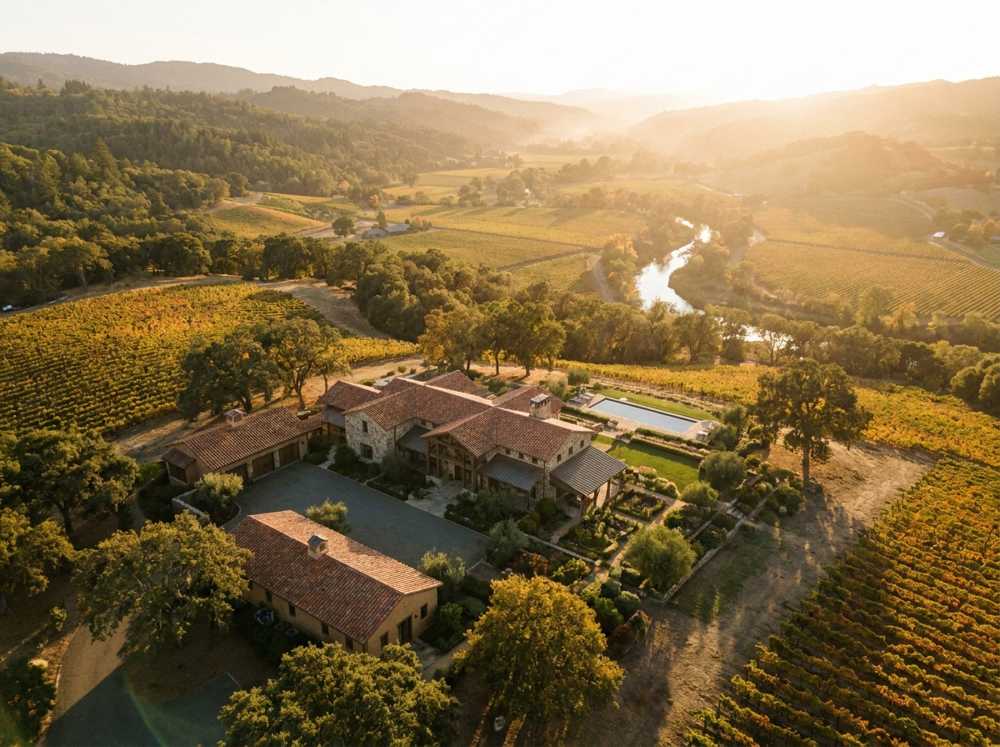
Aerial and land photography
Aerial photography can help buyers understand parcel shape, usable land, approach, surrounding properties, outbuildings, gardens, vineyards, tree coverage, and privacy. This is often essential for acreage properties because ground-level photos alone may not explain the land.
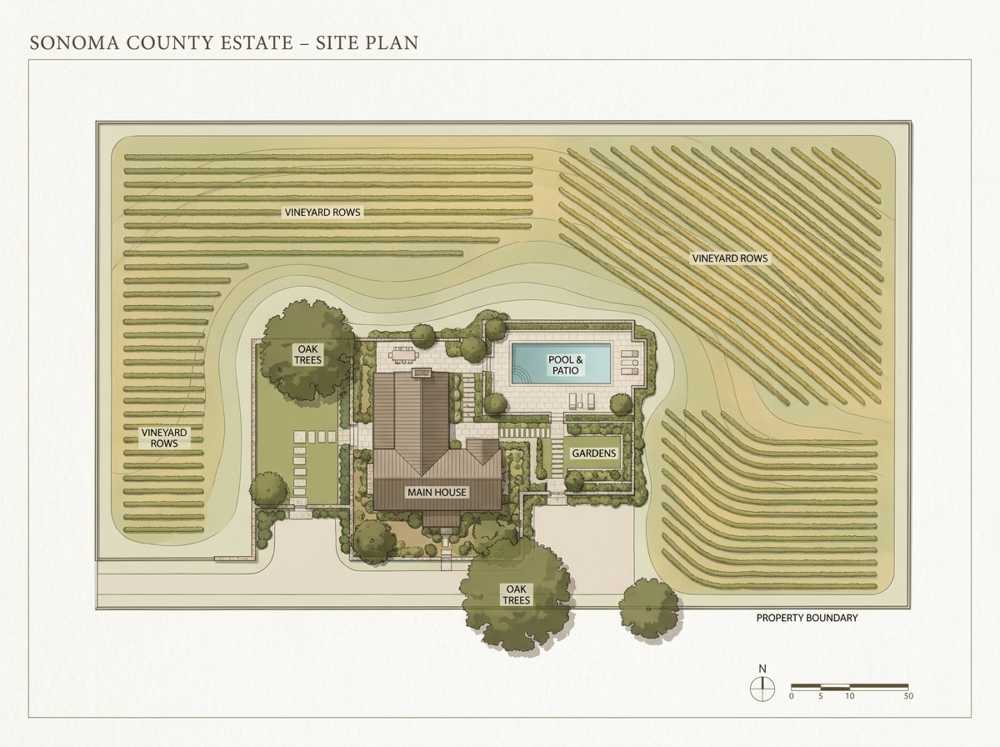
Property maps or site context
Site context can help buyers understand how the home, structures, driveways, outdoor areas, and land relate to each other. When available and appropriate, maps or visual guides can reduce confusion.
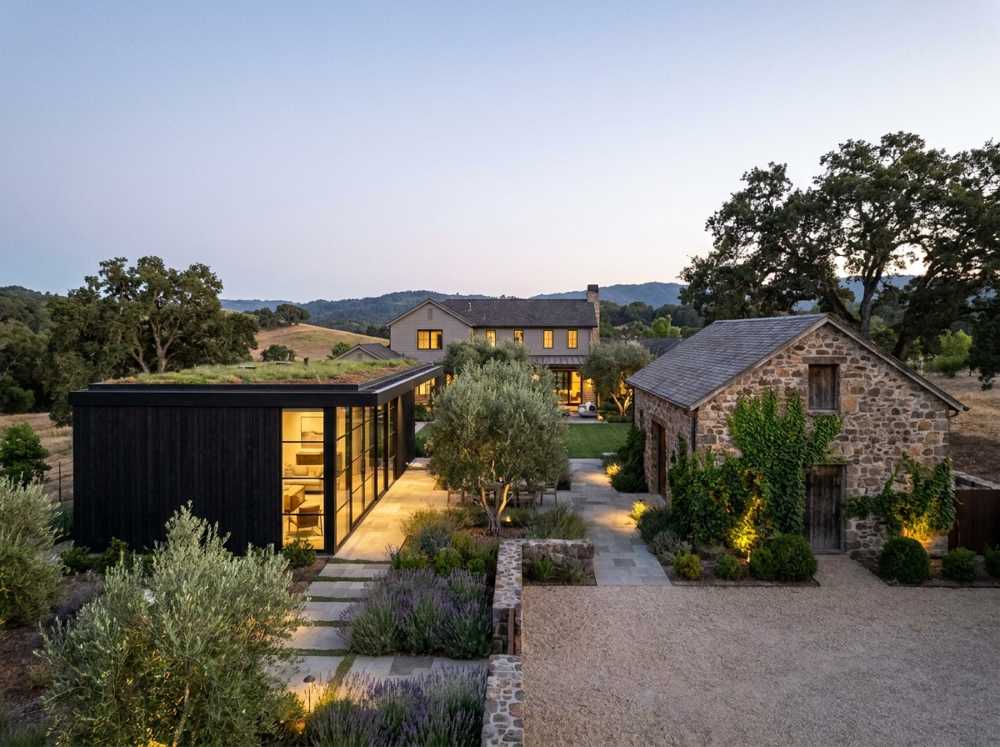
Outbuilding and ADU presentation
Guest houses, studios, barns, shops, and agricultural buildings should be presented clearly. Buyers should understand what each structure is, how it functions, and how it supports the property.
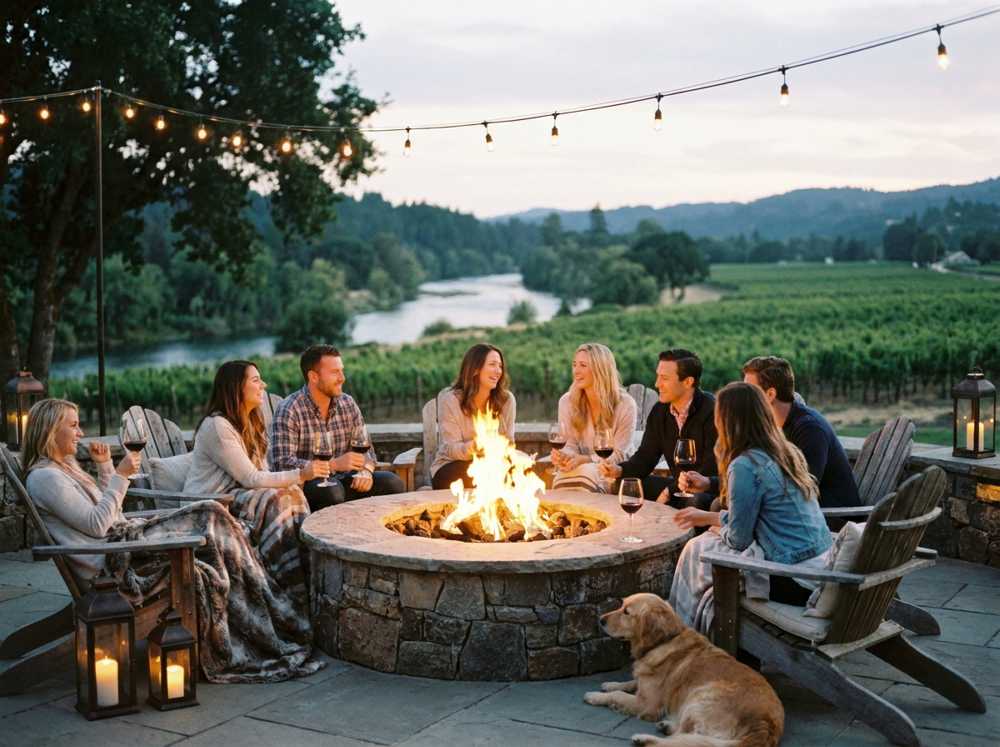
Lifestyle and location narrative
The narrative should explain the property’s relationship to nearby towns, rural corridors, vineyards, redwoods, river communities, or coastal access. A home outside Sebastopol, a retreat near Occidental, or acreage near Bodega each needs different context.
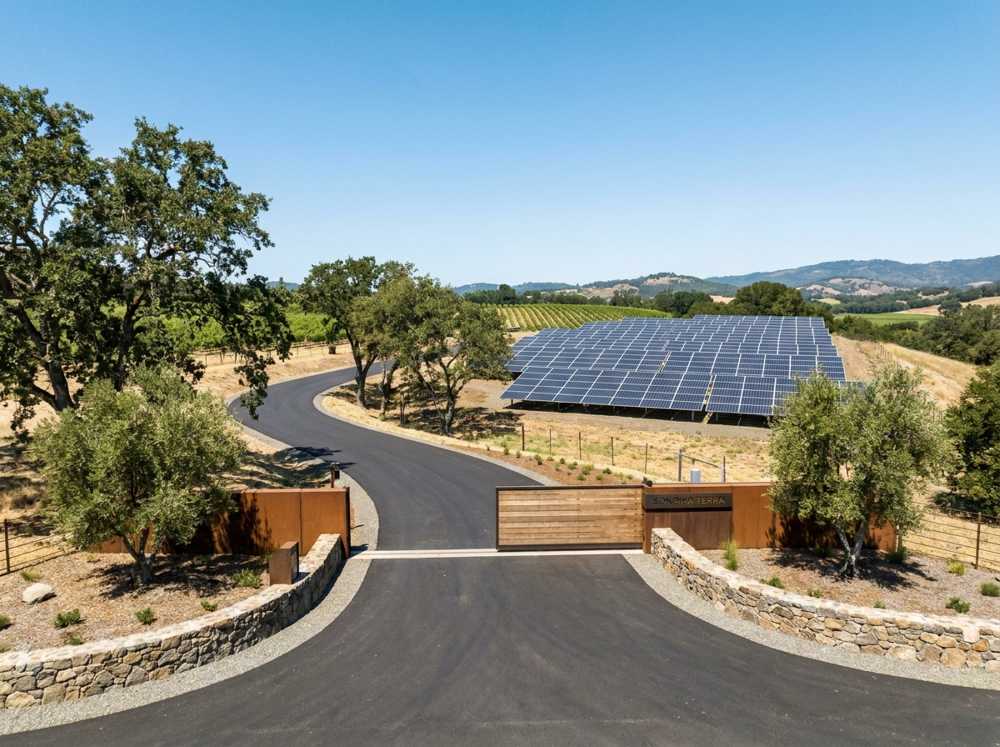
Infrastructure documentation
Marketing should be supported by organized information when appropriate. Wells, septic systems, road agreements, and major improvements may not be glamorous, but they can make buyers more confident.
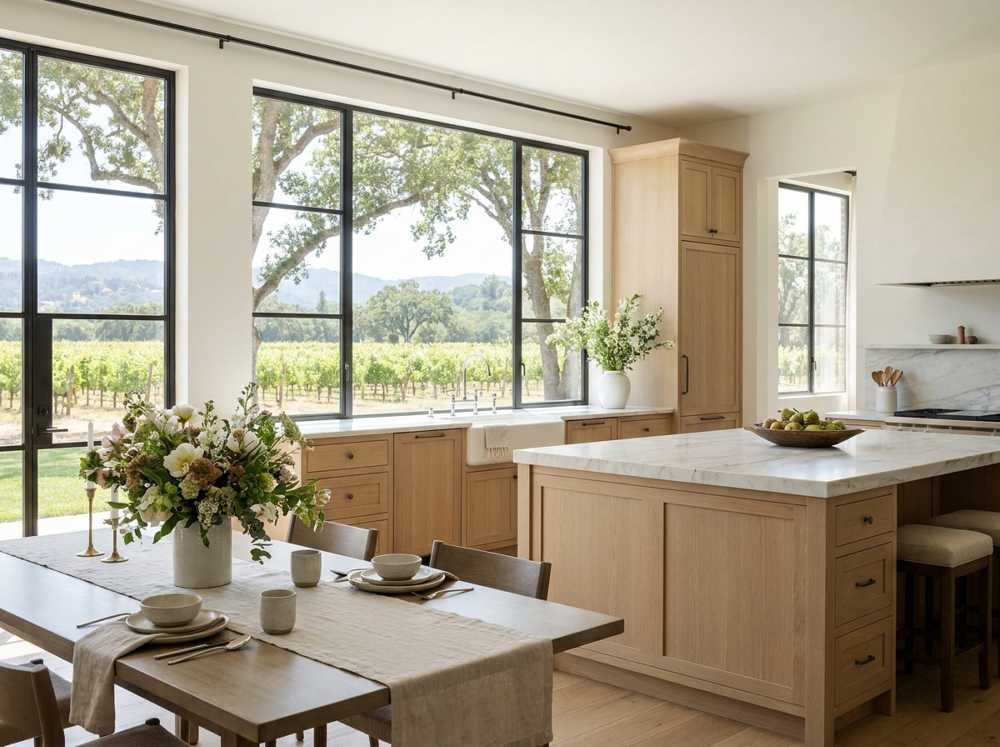
Buyer audience targeting
A hobby farm buyer, horse property buyer, luxury estate buyer, Bay Area relocation buyer, and local acreage buyer may each care about different features. Marketing should be built around the most likely audience.
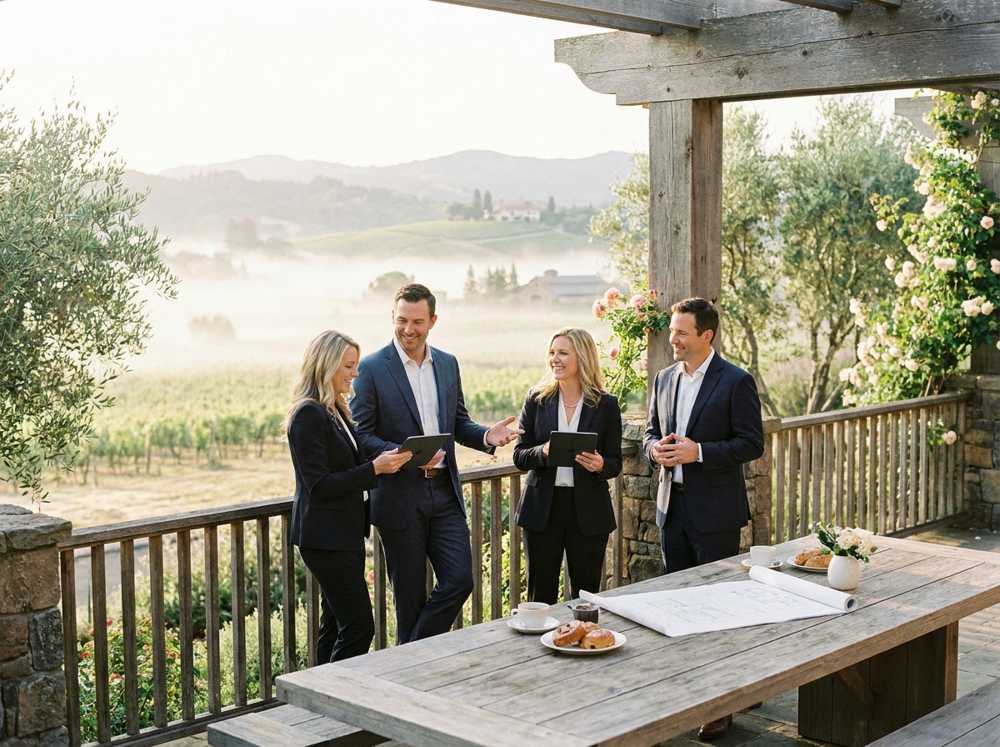
Agent network communication
Other agents often need help understanding complex rural properties. Clear communication about features, systems, access, documentation, and showing instructions can improve the buyer experience.
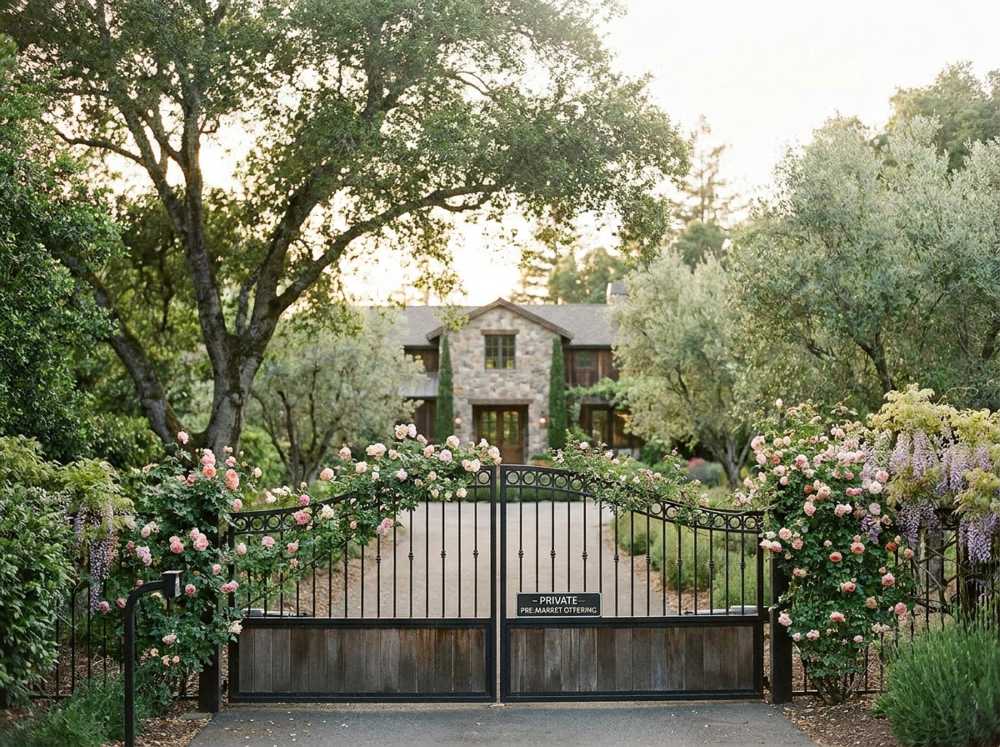
Private or pre-market outreach when appropriate
Some rural properties may benefit from targeted private outreach before or alongside public exposure. This should be handled carefully and only when it supports the seller’s goals.
What Buyers Should Evaluate Before Purchasing Rural Property
Rural buyers often focus first on privacy, views, and lifestyle. Those matter, but the long-term success of the purchase depends on understanding the property’s systems, land, access, maintenance, and future use.
A beautiful country setting can be compelling, especially for buyers relocating from urban or Bay Area markets. But rural ownership requires practical evaluation. Buyers should understand what they are buying, what systems support it, what uses are realistic, and what costs or responsibilities may come with ownership.
Land and Access
Roads, gates, easements, slope, usable acreage, fencing, and seasonal conditions should be evaluated carefully.
Buyers should understand how the property is accessed, whether roads are public or private, who maintains them, and how the land functions in different seasons. Usable acreage matters more than total acreage alone.
Water and Septic
Well reports, storage, water quality, septic condition, capacity, and location should be reviewed.
Water and septic systems are central to rural property ownership. Buyers should rely on appropriate inspections and qualified professionals to understand system condition, capacity, and limitations.

Structures and Uses
ADUs, barns, workshops, studios, agricultural structures, permits, and future flexibility should be clarified.
Additional structures can add value, but buyers should understand what is permitted, what is functional, what condition it is in, and how it may be used.
Insurance and Risk
Fire, trees, access, defensible space, flood or coastal considerations, and insurance availability should be considered early.
Buyers should discuss insurance with qualified professionals before removing contingencies. Rural, wooded, coastal, or river-adjacent properties may require more careful review than standard homes.
Lifestyle Fit
Drive time, internet, privacy, animals, gardening, weather, and maintenance expectations all affect day-to-day life.
A property may be beautiful but still not fit the buyer’s daily needs. Internet access, commute patterns, schools, services, sun exposure, and maintenance should all be part of the decision.

Future Plans
Potential expansion, farming, animals, vineyards, guest use, or family legacy goals should be investigated before purchase.
Buyers should not assume future uses are allowed or practical. Zoning, water, septic, topography, access, permits, and environmental factors may all affect what can be done.
Some Rural Opportunities Require Local Relationships and Discretion
Some rural sellers prefer privacy. Some buyers are searching for a very specific combination of land, setting, structures, and location. In those cases, local relationships and private outreach can be helpful.
A private strategy is not always the right answer, but it can be a valuable option for distinctive rural properties when used thoughtfully.
For sellers, discretion may matter because the property is a family estate, occupied by tenants, difficult to show, unusually private, or not yet ready for broad exposure. For buyers, private outreach may be useful when the search is highly specific: a certain acreage range, a guest house, a barn, a sunny garden site, horse infrastructure, vineyard potential, or a particular road or community.
This should be approached realistically. Off-market opportunities are not guaranteed, and broad public exposure may produce the best result for many sellers. The value of private strategy is that it adds another layer of judgment and access when the property or client goals call for it.
You Don't Hire a Generalist for a Specialist Property
A rural property is not just a home with extra land. It is a combination of residence, infrastructure, setting, improvements, restrictions, opportunities, and buyer expectations. The right representation helps sellers communicate value and helps buyers understand what they are purchasing.
I bring a calm, strategic approach to complex Sonoma County properties, especially throughout West Sonoma County and the surrounding rural communities.
In rural real estate, details that seem secondary can become central to the transaction. A well report can affect buyer confidence. A private road agreement can influence perceived risk. A barn or guest unit can expand appeal if represented clearly. Tree coverage, slope, drainage, fire considerations, and access can shape how buyers evaluate the property. Pricing must account for these realities without overwhelming the market narrative.
Local Market Interpretation
Rural Sonoma County is not one market. Sebastopol acreage, Occidental redwood property, Forestville country homes, Bodega coastal parcels, and Russian River retreats each require different interpretation.
Rural Property Preparation
Preparation should focus on presentation, documentation, land clarity, infrastructure information, and buyer confidence. The goal is to make the property understandable and appealing without unnecessary over-improvement.
Pricing Strategy
Pricing should account for comparable sales, land usability, systems, structures, views, privacy, condition, access, and buyer demand. Rural pricing requires both data and judgment.
Buyer Education
Many rural buyers need help understanding wells, septic systems, roads, easements, land use, insurance, and maintenance. Clear education can reduce uncertainty and improve decision-making.
Negotiation Judgment
Rural transactions often involve inspection findings, infrastructure questions, documentation issues, financing concerns, and buyer requests. Strong representation helps clients evaluate what matters and respond strategically.
Network-Based Opportunity Awareness
Some rural properties and buyers move through relationship-driven conversations before they appear broadly in the market. Local awareness can help identify options while keeping expectations realistic.

Explore Related Sonoma County Real Estate Guidance


Luxury Homes in West Sonoma County
For high-end country homes, luxury rural estates, architect-designed retreats, coastal residences, and private estate properties.
Vineyard Properties
For properties where vines, agricultural land, setting, production considerations, and estate value intersect.

ADU & Multi-Structure Properties
For rural homes with ADUs, guest houses, barns, studios, workshops, second dwellings, or flexible compound-style layouts.
Off-Market Properties
For sellers and buyers considering private rural property opportunities, discreet outreach, or pre-market strategy.
Relocation Guide
For buyers relocating to rural Sonoma County from the Bay Area and evaluating lifestyle, infrastructure, and ownership differences.

Market Reports
For sellers and buyers who want context around Sonoma County rural market conditions, demand, inventory, and timing.
Rural & Acreage Property FAQs
A rural property in Sonoma County may include a country home, acreage property, estate, hobby farm, horse property, vineyard-adjacent parcel, wooded retreat, or multi-structure compound. The defining factor is not only land size. Rural properties often involve private infrastructure, access considerations, land use, outbuildings, privacy, and maintenance responsibilities.
The right acreage depends on the intended use, land quality, slope, fencing, water, access, drainage, and local rules. A smaller parcel with usable, level land may be more practical than a larger parcel with steep or heavily wooded terrain. Buyers should verify intended uses with appropriate professionals before purchasing.
Buyers should understand well flow, water quality, storage, reliability, maintenance history, and whether the water supply supports the home and intended uses. Well inspections and water testing are commonly important parts of rural due diligence.
Buyers should review septic location, condition, capacity, design, permit history, and inspection results. Septic systems can affect financing, future expansion, guest structures, and buyer confidence, so they should be evaluated carefully with qualified professionals.
Easements and private roads can affect access, maintenance responsibilities, buyer confidence, and long-term ownership. Buyers should understand recorded rights, shared road agreements, who maintains the road, and whether access functions well throughout the year.
Rural properties are priced by evaluating comparable sales, home condition, land usability, water, septic, access, outbuildings, ADUs, views, privacy, location, buyer demand, and active competition. Price-per-square-foot alone is rarely enough for a rural or acreage property.
Sellers should gather well and septic records, clarify permits and improvements, prepare outbuildings and exterior areas, organize disclosures, identify repairs that affect buyer confidence, and plan photography around the home, land, structures, and setting. A seller preparation plan can help avoid unnecessary work while improving market readiness.
Yes. Vineyard properties may involve agricultural use, vine condition, production history, water, management, contracts, land value, and lifestyle appeal. Some buyers focus on vineyard operations, while others value the vineyard as part of the setting. These properties benefit from specialized positioning.
Additional structures should be marketed clearly and accurately. Buyers need to understand what each structure is, how it is used, what documentation exists, and how it contributes to the property's flexibility and value. Clear representation can reduce confusion and improve buyer confidence.
Some rural properties can involve additional financing or insurance review, especially when they include unique structures, private roads, acreage, wells, septic systems, fire considerations, flood zones, or coastal conditions. Buyers should investigate financing and insurance early with qualified professionals.
Yes. I help buyers understand the practical differences between urban or suburban ownership and rural Sonoma County property ownership. This may include wells, septic, access, internet, insurance, land maintenance, fire considerations, privacy, and community fit.
An off-market strategy may make sense when a seller wants privacy, the property has a narrow buyer pool, or a buyer is searching for a very specific combination of land, structures, and location. It should be used thoughtfully and compared against the benefits of a public listing strategy.
Thinking About Buying or Selling Rural Property in Sonoma County?
Rural and acreage properties require careful guidance, practical due diligence, and a strategy that reflects the full value of the land, home, systems, and setting. Martin Reed helps clients move through that process with clarity.
Whether you are selling a country home near Sebastopol, evaluating acreage outside Forestville, preparing a redwood retreat near Occidental, considering a vineyard-adjacent property, or searching for a rural home with ADUs, barns, or guest space, the right next step is a property-specific conversation.