

Sell Your West Sonoma County Home with a Strategic Listing Advisor
Selling in West Sonoma County requires more than putting a home on the market. The right strategy depends on the property, the setting, the likely buyer, the timing, and the story that needs to be communicated.
A rural home outside Sebastopol, a luxury residence near Occidental, an acreage property in Forestville, a vineyard estate near Graton, or a coastal property near Bodega Bay cannot be represented with a generic listing plan. Buyers are not only comparing square footage and recent sales. They are weighing privacy, land, improvements, access, infrastructure, architecture, views, lifestyle, and long-term ownership expectations.
Martin Reed helps sellers prepare, price, position, market, and negotiate the sale of distinctive Sonoma County properties, including luxury homes, rural residences, acreage, vineyard properties, ADUs, and multi-structure homes.
The goal is a clear, thoughtful process from the first conversation through closing: understand the property, identify the strongest buyer audience, prepare the home intelligently, present it with precision, and negotiate with discipline.
West County Properties Need More Than a Standard Listing Plan
West Sonoma County includes small-town homes, rural estates, redwood retreats, coastal properties, vineyard parcels, acreage, and homes with flexible structures or land use. These properties often require more explanation, better preparation, and more precise buyer targeting than a conventional suburban listing.
The goal is not just to attract attention. It is to position the property correctly so qualified buyers understand its value.
In more standardized markets, a listing may be compared primarily by square footage, bedroom count, condition, and recent neighborhood sales. West County is more nuanced. A home near downtown Sebastopol may appeal to buyers who want walkability and community access. A property outside Occidental may be valued for privacy, redwoods, and retreat-like living. A Forestville acreage property may attract buyers focused on land, gardens, outbuildings, or wine country proximity. A Russian River home may require a careful conversation about seasonal use, flood zones, access, and redwood maintenance.
For sellers, this means the listing strategy has to do more than announce that the home is available. It has to explain why the property matters, who it is for, and how its features translate into value.

The Property May Be Complex
Land, wells, septic, outbuildings, ADUs, vineyards, access, and privacy can all affect buyer perception.
Many West County properties include features that require context. A guest cottage, barn, studio, workshop, vineyard block, garden area, or second structure can expand buyer appeal, but only when it is presented clearly and accurately. Buyers want to know what is permitted, what is functional, what has been maintained, and how the property can realistically be used.
Acreage also needs careful explanation. Five acres of usable, sunny land near Sebastopol can feel very different from five steep, wooded acres near a redwood corridor. Both may be valuable, but they speak to different buyers and require different positioning.

The Buyer Pool May Be Specific
Many buyers are relocating, lifestyle-driven, or searching for a rare combination of location and property features.
West County buyers often arrive with a specific vision. Some want privacy without feeling isolated. Some want a home near town with room for gardening. Some want a redwood retreat, a coastal escape, a vineyard setting, or a multi-structure property that can support guests, creative work, or extended family.
That specificity matters. A strong listing strategy should identify the likely buyer audience before the home goes live. A luxury buyer from the Bay Area may respond to a different message than a local move-up buyer, a second-home buyer, a buyer looking for acreage, or someone searching for a Sonoma County lifestyle property with long-term flexibility.

The Story Matters
Marketing must communicate setting, usability, lifestyle, improvements, and long-term value clearly.
A West County property’s value is often spread across the entire experience of ownership. The driveway approach, privacy, light, views, land use, gardens, outdoor spaces, guest structures, and relationship to town or coast may all influence the decision.
If the listing focuses only on room count and interior finishes, important value can be missed. The story should be specific, grounded, and useful: what the property offers, how it lives, what has been improved, what buyers should understand, and why the setting is difficult to replicate.
"To sell effectively here, we must explain why the property matters-not just where it is located."
A Listing Strategy Built Before the Home Goes Live
Strong results begin before a property is publicly listed. Martin’s process focuses on understanding the property, identifying the likely buyer, preparing the home thoughtfully, and building a launch strategy that supports the seller’s goals.
For a distinctive West Sonoma County home, the pre-listing phase is often where the most important decisions are made. Pricing, preparation, photography, disclosures, buyer targeting, timing, and launch sequence all work together. When those decisions are handled early and intentionally, the property reaches the market with greater clarity and stronger buyer confidence.
Property and Goal Review
The first step is to clarify the seller’s timeline, priorities, property details, and ideal outcome.
Some sellers want the strongest public launch possible. Others need privacy, flexibility, or a more measured approach. Some are selling a long-held family property, a rural estate with multiple improvements, a luxury home, or a property that requires careful explanation because it does not fit a standard template.
Property and Goal Review
The first step is to clarify the seller’s timeline, priorities, property details, and ideal outcome.
Some sellers want the strongest public launch possible. Others need privacy, flexibility, or a more measured approach. Some are selling a long-held family property, a rural estate with multiple improvements, a luxury home, or a property that requires careful explanation because it does not fit a standard template.
Property and Goal Review
The first step is to clarify the seller’s timeline, priorities, property details, and ideal outcome.
Some sellers want the strongest public launch possible. Others need privacy, flexibility, or a more measured approach. Some are selling a long-held family property, a rural estate with multiple improvements, a luxury home, or a property that requires careful explanation because it does not fit a standard template.
Property and Goal Review
The first step is to clarify the seller’s timeline, priorities, property details, and ideal outcome.
Some sellers want the strongest public launch possible. Others need privacy, flexibility, or a more measured approach. Some are selling a long-held family property, a rural estate with multiple improvements, a luxury home, or a property that requires careful explanation because it does not fit a standard template.
Property and Goal Review
The first step is to clarify the seller’s timeline, priorities, property details, and ideal outcome.
Some sellers want the strongest public launch possible. Others need privacy, flexibility, or a more measured approach. Some are selling a long-held family property, a rural estate with multiple improvements, a luxury home, or a property that requires careful explanation because it does not fit a standard template.
Pricing Is Not Just a Number. It Is a Positioning Decision.
In West Sonoma County, pricing requires more than a simple price-per-square-foot comparison. A home’s value may be shaped by acreage, privacy, views, improvements, architecture, location, access, land usability, vineyards, ADUs, guest structures, or proximity to town, coast, river, or redwoods.
Martin helps sellers understand where the property fits in the market and how to position it for the right buyer audience.
This is especially important because West County properties can be difficult to compare. A renovated in-town Sebastopol home may have a clear set of nearby comps. A rural home with acreage, a guest unit, a barn, and a garden may require a more layered analysis. A redwood property near Monte Rio may not be comparable to a sunny acreage property near Graton, even if the home size is similar. A coastal property near Bodega Bay may draw a buyer pool motivated by views, second-home use, and lifestyle appeal rather than conventional neighborhood comparison.
Pricing too high can cause a property to sit and lose momentum. Pricing too low without a clear strategy can leave value unprotected. The right price should reflect both the measurable market and the less obvious features that matter to qualified buyers.
A strong pricing conversation should also account for how buyers will interpret the property online. Before a buyer visits, they are comparing the home against alternatives across West County, Sonoma County, and sometimes the broader North Bay. The listing price needs to make sense within that competitive set.
"Pricing is not just a number. It is a positioning decision."
Pricing should account for:
- Recent comparable sales
- Current buyer demand
- Property condition and preparation
- Land and usable acreage
- Luxury or lifestyle appeal
- Special structures or improvements
- Private-market potential
Pricing is also connected to presentation. If a property has acreage, privacy, a guest unit, vineyard views, or exceptional outdoor living, those features need to be visible and understandable in the marketing. Otherwise, buyers may not recognize why the property deserves its position in the market.
Preparing the Property Without Over-Improving It
Not every improvement creates value. The right preparation plan should help the property show clearly, reduce buyer uncertainty, and support the listing narrative without unnecessary spending.
This is particularly important in West Sonoma County, where sellers may be dealing with older homes, rural infrastructure, acreage, outbuildings, guest units, gardens, redwood settings, or long-held family properties. Preparation should be strategic, not automatic. The goal is to help buyers understand the property, feel confident about what they are seeing, and connect with the value of the setting.
A good preparation plan separates what is cosmetic, what is functional, what affects buyer confidence, and what should simply be disclosed clearly. Sometimes the best decision is to improve presentation. Sometimes it is to gather documentation. Sometimes it is to avoid a costly project that will not meaningfully change buyer response.
Presentation
Staging, editing, landscaping, cleaning, and visual flow can change how buyers experience the property.
Presentation does not always mean making a West County home look formal or overly polished. Many buyers are drawn to warmth, character, authenticity, and connection to the land. The key is to remove distraction, highlight the strongest spaces, and make the home feel cared for.
For rural and acreage properties, exterior presentation can be just as important as interiors. Driveways, gardens, patios, barns, decks, trails, fencing, and outdoor living areas should be easy to understand.
Documentation
Permits, improvements, disclosures, septic, wells, ADUs, outbuildings, and property details should be organized before buyers begin asking questions.
Documentation can be especially important for distinctive properties. Buyers may want to understand water systems, septic history, permitted space, accessory structures, repairs, improvements, easements, road agreements, or land use considerations. Having clear information available can reduce uncertainty and support stronger negotiations.
For ADUs, guest houses, studios, barns, and second dwellings, clarity is essential. Buyers need to understand what exists, how it is used, and what documentation is available.
Photography Readiness
Light, land, views, approach, interiors, lifestyle features, and drone opportunities should be considered before photography.
In West County, photography should often capture more than rooms. Buyers need to see the setting, driveway approach, privacy, usable land, gardens, outdoor spaces, structures, views, and relationship to surrounding landscape. A property outside Occidental may need photography that communicates redwood privacy and retreat value. A coastal home near Bodega Bay may need timing that captures light, views, and the home’s relationship to the coast.
Good photography begins with preparation. Landscaping, windows, decks, outdoor furniture, garden areas, and paths should be ready before the shoot.
Repairs and Improvements
Repairs should be prioritized when they improve confidence, safety, financing, or presentation.
Some repairs help buyers feel comfortable moving forward. Others may become negotiation points if left unaddressed. The decision should be made in context. A seller does not need to make every possible improvement, but should understand which items could affect buyer perception, inspection response, or offer strength.
For rural properties, repairs may include access, drainage, exterior maintenance, deck safety, outbuilding condition, or visible infrastructure concerns. For luxury homes, buyers may expect a higher level of finish and maintenance consistency.
Land and Exterior Areas
Usable areas, access, gardens, structures, and outdoor living spaces should be clarified.
Acreage can be difficult for buyers to interpret without guidance. Sellers should help make the land legible. Where are the usable areas? Where are the gardens, orchards, vineyard rows, pastures, barns, workshops, or guest spaces? How does the property function throughout the year?
This does not require over-improving the land. It often means organizing, clearing, defining, and presenting what already exists.
Seller Timing
Preparation should account for market timing, seasonality, and personal goals.
A garden property may show best when landscaping is active. A vineyard or acreage property may benefit from seasonal photography. A redwood property may need thoughtful timing around light and moisture. A coastal property may present differently depending on weather and visibility.
Seller timing also includes personal needs. Some sellers need a longer preparation window. Others need a more efficient path. The right plan should balance market opportunity with the seller’s actual circumstances.
- Quick Tip: A Clean well report and septic clearance can increase buyer confidence by over 1%
Marketing That Communicates the Full Value of the Property
Effective marketing is not just exposure. It is the ability to show buyers why the property matters, who it is right for, and what makes it difficult to replace.
For West County properties, that may mean emphasizing design, privacy, acreage, vineyard setting, redwoods, gardens, views, proximity to town, coastal access, guest spaces, or long-term flexibility.
The strongest marketing gives buyers context before they visit. It helps them understand the setting, the property’s practical strengths, and the lifestyle it supports. A home with acreage should not be reduced to a house on a large lot. A luxury residence should not be marketed only through interior finishes. A redwood retreat should not ignore access, light, and usability. A multi-structure property should clearly explain the role of each improvement.
Marketing should also speak to the likely buyer. A Bay Area relocation buyer may need help understanding West County communities, access, services, and lifestyle tradeoffs. A local buyer may care more about land, condition, and long-term value. A luxury buyer may respond to privacy, design, and quality of presentation. A rural buyer may focus on infrastructure, usability, and flexibility.
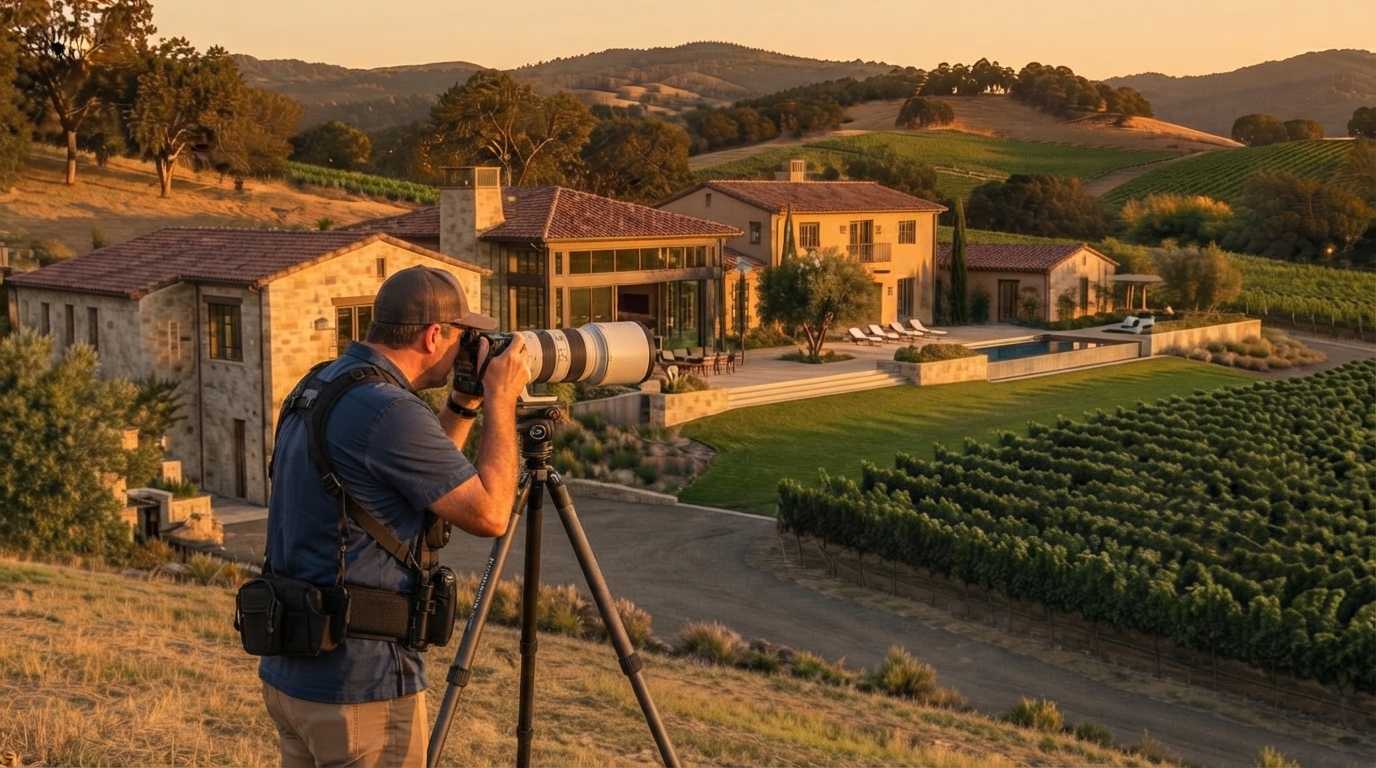
Professional photography
Professional photography should capture the home, the setting, and the way the property lives. For West County homes, this often includes interiors, architecture, land, gardens, outbuildings, views, driveway approach, outdoor living areas, and surrounding landscape.

Property narrative and copywriting
The written narrative should be specific and useful. It should explain what makes the property valuable without relying on generic real estate adjectives. Buyers should come away understanding the setting, improvements, lifestyle, and practical advantages.

Lifestyle and location context
Location context matters in West County. A property’s relationship to Sebastopol, Graton, Occidental, Forestville, the Russian River, Bodega Bay, or the Sonoma Coast can shape buyer interest. Marketing should explain that context naturally and accurately.

Digital listing exposure
Public listing exposure remains important when the property is ready for the open market. Strong presentation across listing platforms helps buyers and agents understand the property quickly and accurately.
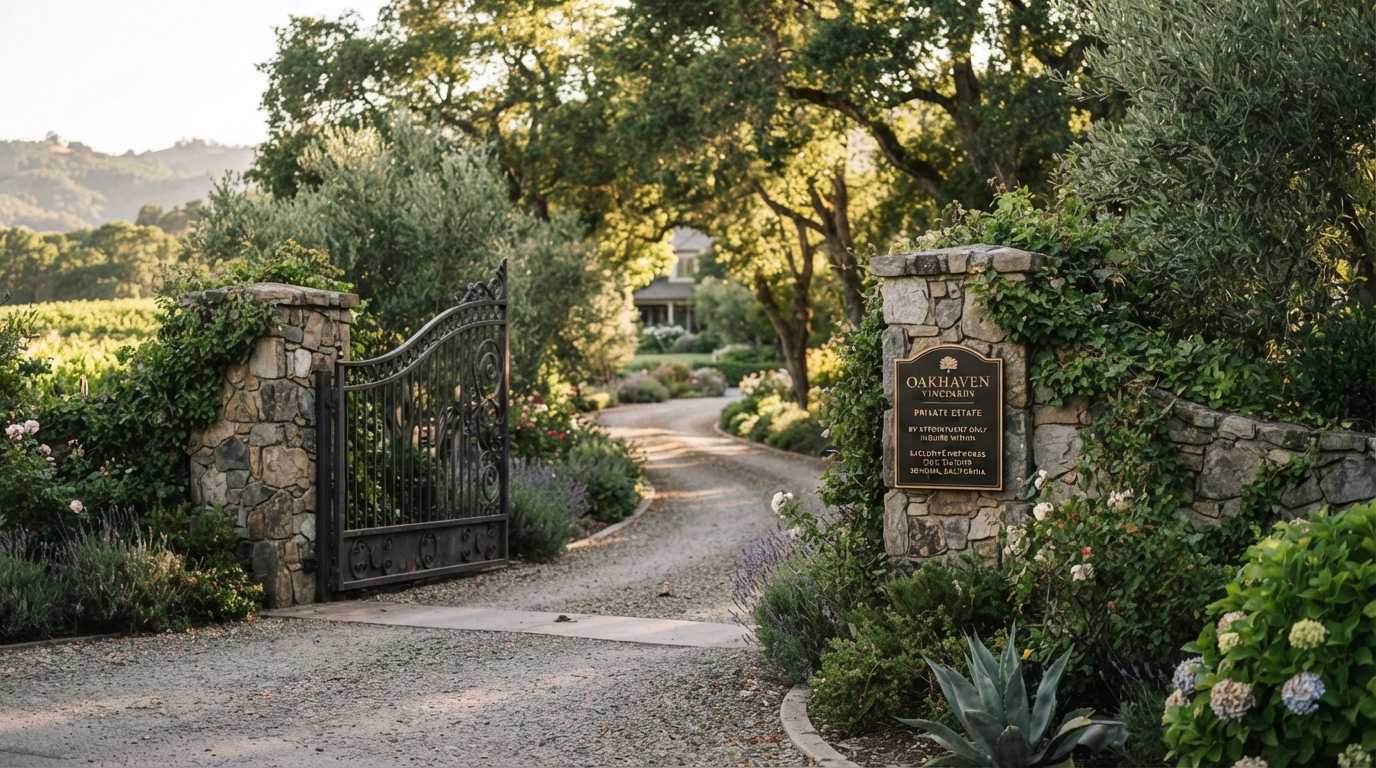
Private network outreach
For certain properties, private network outreach may supplement public exposure or help test interest before launch. This can be useful when the buyer pool is specific, the property is unusually distinctive, or the seller prefers a more discreet approach.

Agent-to-agent communication
Clear communication with other agents can help avoid misunderstandings and strengthen buyer confidence. For complex properties, agents may need context around infrastructure, improvements, land use, access, or seller priorities.
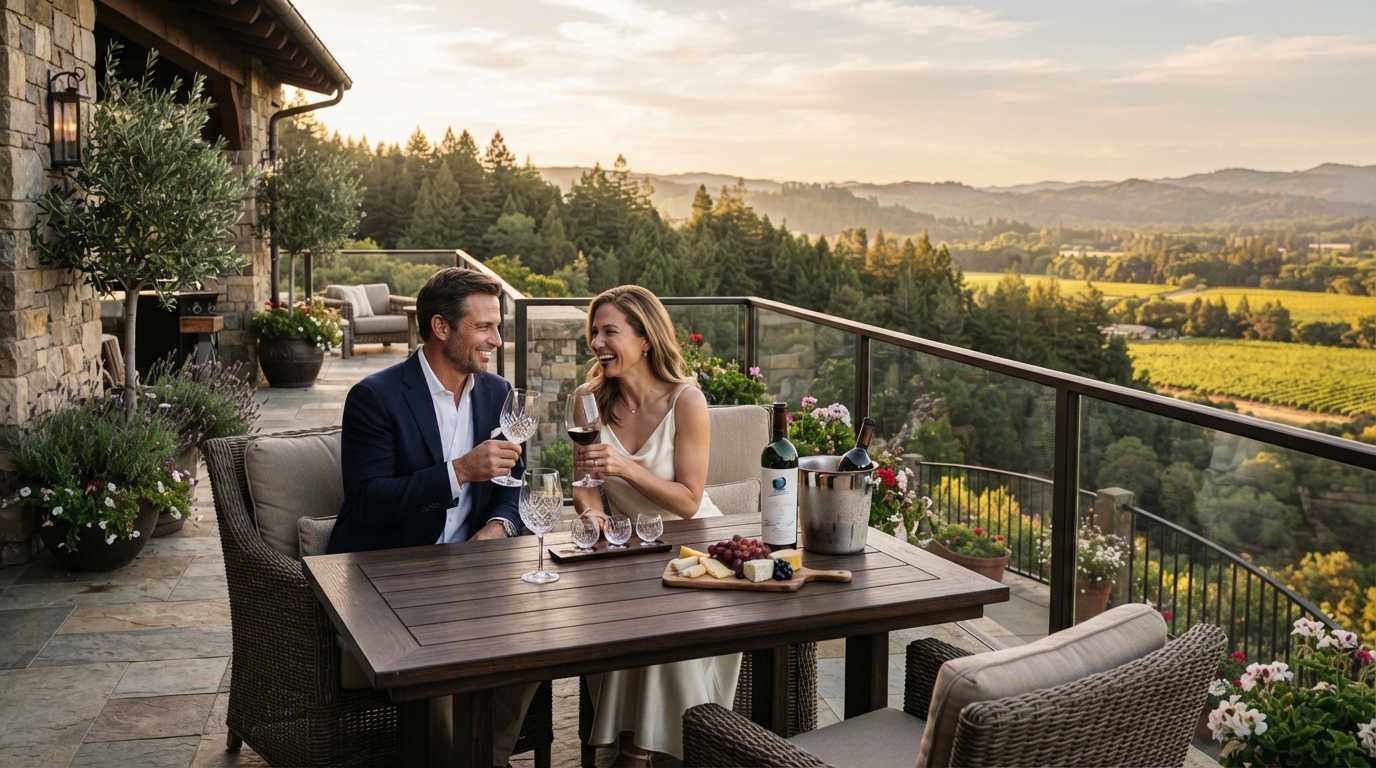
Targeted buyer positioning
Marketing should be built around the property’s most likely buyer audience. A rural acreage property, luxury estate, river home, vineyard property, ADU compound, and coastal residence should not all be positioned the same way.
For Properties That Need More Explanation, Strategy Matters

Luxury Homes
Luxury homes need to be positioned around architecture, privacy, design, views, location, lifestyle, and the right buyer audience.
In West Sonoma County, luxury may mean a refined estate near Sebastopol, a private retreat outside Occidental, a vineyard-adjacent property near Graton, or a coastal residence near Bodega Bay. The marketing should communicate quality and setting without relying on generic luxury language.

Rural & Acreage Properties
Rural and acreage properties require clear representation of land, access, wells, septic, outbuildings, usability, and lifestyle.
Acreage buyers often want to understand how the property functions. Is the land usable? Is there room for gardening, animals, vineyards, or outdoor living? What infrastructure supports the property? What is the access like? Clear answers can reduce uncertainty and improve buyer confidence.

Vineyard & Estate Properties
Vineyard and estate properties need thoughtful positioning around lifestyle, land value, improvements, and vineyard-related considerations.
Some buyers may care about production potential or vineyard management. Others may value the vineyard as part of the setting and identity of the property. The strategy should clarify the role the vineyard plays in the overall value.

West County Homes
Every West County home should be connected to its specific town, setting, and buyer demand.
A property in Sebastopol, Graton, Forestville, Occidental, Freestone, Guerneville, Monte Rio, Jenner, Bodega, or Bodega Bay carries local context that should shape pricing and presentation. The West County market is not one uniform category.

Off-Market or Private Sales
Some sellers may benefit from evaluating whether discretion, private outreach, or a staged exposure strategy is appropriate.
This is not the right path for every property. In many cases, a polished public launch creates the strongest result. But for certain luxury, rural, estate, or highly specific properties, private-market strategy may be part of the conversation.

ADU & Multi-Structure Properties
ADU and multi-structure properties require clear explanation of guest units, studios, barns, second dwellings, and flexible living arrangements.
These features can create strong buyer appeal, especially for buyers seeking family flexibility, creative space, rental possibilities, or compound-style living. The listing should be accurate about what each structure is, how it is used, and what documentation is available.
When a Private or Off-Market Strategy May Make Sense
Some sellers benefit from a more discreet approach before, alongside, or instead of a fully public listing. This may apply to luxury homes, unique rural properties, estates, or sellers who want to test interest with a targeted audience.
Private-market strategy should be used carefully. The goal is not to limit opportunity unnecessarily, but to choose the exposure strategy that best fits the seller’s property, timing, and goals.
In West Sonoma County, this can be relevant when a property is difficult to categorize, when the seller values privacy, when the buyer pool is narrow, or when the home has unusual features that require a more tailored introduction. A private estate near Occidental, a vineyard property, a multi-structure compound, or a coastal home with a specific buyer profile may benefit from a thoughtful conversation about exposure before launch.
The key is judgment. Private selling should not be treated as a shortcut or a promise of hidden demand. A public listing can create broad exposure, urgency, and market validation. A private or pre-market approach can provide discretion, early feedback, or selective conversations. The right decision depends on the property and the seller’s priorities.
Private network outreach
Private network outreach can introduce the property to a targeted group of agents or buyers before broad public exposure. This may be useful when the property has a specific buyer profile or when the seller wants a quieter initial approach.
Pre-market testing
Pre-market testing can help assess buyer response, pricing assumptions, or positioning before a full launch. It should be used thoughtfully so it does not dilute the eventual public presentation.
Selective buyer conversations
Some properties are best understood through direct conversation because the value is not obvious from basic listing data. Selective buyer conversations can help explain land, structures, lifestyle, privacy, or unique ownership details.
Public vs. private exposure decision
The decision between public and private exposure should be strategic. Sellers should understand the tradeoffs between privacy, reach, urgency, competition, and market feedback before choosing a path.
Confidentiality and seller control
For some sellers, confidentiality is important. A thoughtful strategy can help preserve control while still creating appropriate market exposure. The process should be clear, compliant, and aligned with the seller’s goals.
Strong Representation Continues After the Offer Comes In
The best offer is not always the highest number on paper. Terms, contingencies, financing strength, timelines, inspections, buyer motivation, and risk all matter.
Martin helps sellers evaluate offers clearly, negotiate from a position of preparation, and move through the transaction with steady communication.
In West Sonoma County, offer evaluation can be especially important because distinctive properties may involve additional buyer questions. Rural infrastructure, inspections, insurance, appraisal risk, septic systems, wells, outbuildings, land use, and documentation can all become part of the transaction. Preparation before listing helps, but strong representation remains important once a buyer is in contract.
A seller should understand not only what the buyer is offering, but how likely the transaction is to close smoothly.
Offer quality
Offer quality includes price, terms, buyer strength, financing, deposit, contingencies, and overall seriousness. A clean, well-supported offer may be stronger than a higher offer with more uncertainty.
Contingencies
Inspection, financing, appraisal, sale-of-home, and other contingencies affect risk. The goal is to understand what each contingency allows the buyer to do and how it may influence the transaction.
Inspection and disclosure issues
Rural and distinctive properties often require more detailed inspections and disclosures. Wells, septic systems, drainage, decks, trees, outbuildings, and land improvements can all become negotiation points. Clear preparation helps reduce surprises.
Appraisal and financing risk
Appraisal risk can be more complicated when comparable sales are limited or the property has unique features. A luxury home, acreage property, vineyard estate, or multi-structure home may require careful support for value.
Timeline and rent-back needs
Sellers may need a specific closing timeline, leaseback, or post-closing possession arrangement. These terms can matter as much as price, especially when a seller is coordinating a move, purchase, estate process, or relocation.
Multiple-offer strategy
If multiple offers are received, the strongest strategy is not always to focus only on price. Terms, certainty, contingencies, and buyer communication should all be evaluated carefully.
Counteroffer decisions
Counteroffers should be strategic. The goal is to improve the seller’s position without creating unnecessary risk or losing a qualified buyer. Good negotiation balances firmness, clarity, and judgment.
"The best offer is not always the highest number on paper."
A Clear, Calm Process from First Conversation to Closing
Selling a home is a major decision. Martin’s process is designed to give sellers clarity before listing, confidence during launch, and steady guidance through negotiation and closing.
For many West County homeowners, the sale is not just a transaction. It may involve a long-held property, a rural home with years of improvements, a family estate, a carefully designed luxury residence, or a property with land and structures that require explanation. A clear process helps sellers make informed decisions without feeling rushed or overwhelmed.
Initial Consultation
The process begins with a conversation about goals, timing, property details, and market context.
This is where Martin learns what matters most to the seller. Some sellers prioritize timing. Others prioritize privacy, preparation, pricing confidence, or a specific financial outcome. The initial consultation helps determine what the selling process should be built around.
Property Review
The property review looks at condition, features, improvements, land, and positioning opportunities.
For a West County property, this may include the home itself, acreage, gardens, views, outbuildings, guest units, ADUs, barns, driveways, wells, septic systems, privacy, sun exposure, and relationship to town or natural setting. The purpose is to understand what buyers will value and what questions they may ask.
Pricing Strategy
Martin helps develop a pricing range and launch recommendation based on comparable sales, market conditions, property-specific value, and buyer demand.
The pricing strategy should help the seller understand both the data and the positioning. It should explain where the property fits, what may support value, and where buyers may compare it.
Preparation and Marketing Plan
Before going live, Martin helps decide what needs to happen to prepare the property and present it effectively.
This may include cleaning, editing, landscaping, repairs, documentation, photography planning, copywriting, private outreach, or launch timing. The plan should be practical and aligned with the seller’s goals.
Listing Launch or Private Outreach
Depending on the chosen strategy, the property is brought to the right audience through public listing exposure, private outreach, or a thoughtful combination of both.
The launch should feel organized, not improvised. Buyers and agents should receive the information they need to understand the property clearly.
Offer Review and Closing
Once offers are received, Martin helps the seller evaluate terms, negotiate, manage transaction details, and move toward closing.
Communication remains important throughout the process. Sellers should understand what is happening, what decisions need to be made, and how each step affects the outcome.
For Properties That Need More Explanation, Strategy Matters

West County Real Estate Hub
Explore the broader West Sonoma County market, including towns, lifestyle patterns, property types, and local real estate considerations.
Luxury Homes in West Sonoma County
Learn how luxury homes in West County should be positioned around architecture, privacy, design, setting, and buyer expectations.
Rural & Acreage Properties in Sonoma County
Understand the selling considerations for land, wells, septic systems, outbuildings, privacy, access, and usable acreage.
Vineyard Properties
Review how vineyard and estate properties should be presented when land, improvements, lifestyle, and long-term value all shape buyer interest.

Off-Market Properties
Learn when private outreach, pre-market testing, or a more discreet sale strategy may be appropriate.
ADU & Multi-Structure Properties
Explore how to represent guest units, ADUs, barns, studios, workshops, second dwellings, and compound-style properties clearly.

Market Reports
Use current market conditions to understand timing, demand, pricing context, and seller strategy in West Sonoma County.
Selling in West Sonoma County FAQs
West Sonoma County properties often involve factors that are not captured by basic listing data. Land, privacy, wells, septic systems, outbuildings, ADUs, redwoods, vineyards, coastal access, river proximity, and micro-market differences can all influence value. A strong strategy needs to explain the property clearly and position it for the right buyer audience.
Martin evaluates comparable sales, current buyer demand, property condition, location, land usability, improvements, and the property’s unique features. In West County, pricing is not only about matching recent sales. It is about understanding where the property fits in the market and how buyers are likely to compare it.
Some improvements can help a property show better or reduce buyer uncertainty, but not every project creates value. The best preparation plan focuses on presentation, buyer confidence, documentation, and practical return. Martin helps sellers decide what should be improved, what should be clarified, and what may not be worth doing before listing.
Luxury homes require marketing that communicates design, privacy, architecture, setting, views, materials, lifestyle, and the quality of the overall property. In West Sonoma County, luxury may also include acreage, guest structures, vineyard settings, gardens, coastal access, or retreat-like privacy. The marketing should match the expectations of qualified luxury buyers.
Sellers should be prepared to explain land usability, access, wells, septic systems, drainage, fencing, outbuildings, gardens, road conditions, and any supporting infrastructure. Buyers often need more information to feel confident about rural properties, so preparation and documentation are important.
ADUs and additional structures should be presented clearly and accurately. Buyers need to understand what each structure is, how it is used, whether documentation is available, and how the spaces support the property’s overall value. Clear representation helps avoid confusion during showings, inspections, and negotiations.
Yes. Vineyard and estate properties require thoughtful positioning because their value may include land, improvements, lifestyle appeal, vineyard-related considerations, privacy, and long-term ownership potential. The strategy should explain both the residence and the property as a whole.
An off-market or private sale may make sense for some sellers, especially when privacy, timing, or a specific buyer audience is important. However, it is not always the best path. In many cases, a polished public launch creates broader exposure and stronger market validation. Martin can help sellers compare the tradeoffs.
The preparation timeline depends on the property and the seller’s goals. Some homes may be ready quickly with cleaning, editing, landscaping, and photography planning. Others may require more time for repairs, documentation, staging, exterior work, or property-specific preparation. Rural, luxury, acreage, and multi-structure properties often benefit from additional planning.
The first consultation focuses on goals, timing, property details, market context, and next steps. Martin will discuss the property, answer initial questions, and help identify what information is needed to evaluate pricing, preparation, positioning, and listing strategy.
Martin works with buyers and sellers throughout Sonoma County, with particular expertise in West Sonoma County and distinctive properties such as rural homes, acreage, vineyards, luxury residences, estate properties, ADUs, and multi-structure homes.
The right timing depends on market conditions, property readiness, personal goals, buyer demand, seasonality, and the type of home being sold. A seller consultation can help clarify whether it makes sense to list now, prepare for a later launch, or begin with a private strategy conversation.
Considering Selling in West Sonoma County?
The right listing strategy starts before your home reaches the market. If you are thinking about selling a luxury home, rural property, acreage, vineyard estate, ADU property, or distinctive West County home, Martin can help you understand your options clearly.
Selling well requires more than exposure. It requires pricing judgment, preparation guidance, local context, strong presentation, buyer understanding, negotiation discipline, and a process that fits the property. Whether your home is near Sebastopol, Graton, Forestville, Occidental, Freestone, Guerneville, Monte Rio, Jenner, Bodega, Bodega Bay, or another West County setting, the first step is a clear conversation about your goals and the property itself.