Vineyard & Estate Properties in Sonoma County
Vineyard and wine-country estate properties combine a residence with land, agricultural identity, infrastructure, views, privacy, and—in some cases—an operating asset. The value is rarely explained by the house or acreage alone.
A small lifestyle vineyard near Sebastopol, a Graton estate surrounded by vines, a Forestville property with production history, or a vineyard-potential parcel farther west may attract different buyers and require different due diligence. Water, vine condition, varietals, contracts, management, agricultural improvements, fire and insurance considerations, access, and estate quality can all influence the decision.
I help clients prepare, interpret, market, and negotiate distinctive vineyard and estate properties throughout Sonoma County, with particular attention to West Sonoma County and the way local setting changes buyer expectations.
Is the Vineyard an Asset, a Lifestyle Feature, or Both?
Not every property with vineyard views is a vineyard property, and not every planted parcel is purchased primarily for production. The first decision is to understand the role the vines, land, residence, and improvements play in the offering.
Some buyers evaluate production, farming arrangements, water, vine health, varietals, contracts, and agricultural economics. Others prioritize the home, privacy, setting, and visual identity of the vineyard. The marketing and due-diligence strategy should establish which story is supported by the property’s facts.

Vineyard Role and Condition
Clarify whether the vines are producing, professionally managed, owner-operated, leased, ornamental, newly planted, aging, or primarily part of the setting. Acreage alone does not explain the vineyard’s contribution.

Water, Site, and Agricultural Systems
Water source and reliability, irrigation, drainage, slope, sun, soils, frost exposure, access, power, storage, and agricultural improvements can shape both operational and lifestyle value.

Residence and Estate Improvements
The main residence, guest spaces, barns, equipment buildings, pools, gardens, gates, roads, and other improvements determine whether buyers see an agricultural property, a lifestyle estate, or a combination of both.

Market and Lifestyle Context
Proximity to Sebastopol, Graton, Forestville, wineries, restaurants, Highway 101, the coast, and daily services affects buyer fit. Privacy and beauty matter, but so do practical access and year-round ownership.
"Is the vineyard an operating asset, a lifestyle feature, a land-use opportunity, or part of the estate’s visual identity? The answer changes pricing, marketing, and due diligence."
Six Wine-Country Property Profiles
The category includes several distinct property types. Clear classification helps avoid generic “wine country” marketing and directs serious buyers toward the information they need.

Working Vineyard Property
A planted property with active farming or production history may require review of vine condition, varietals, yield information, farming practices, management, contracts, water, equipment access, and agricultural improvements.

Lifestyle Vineyard Estate
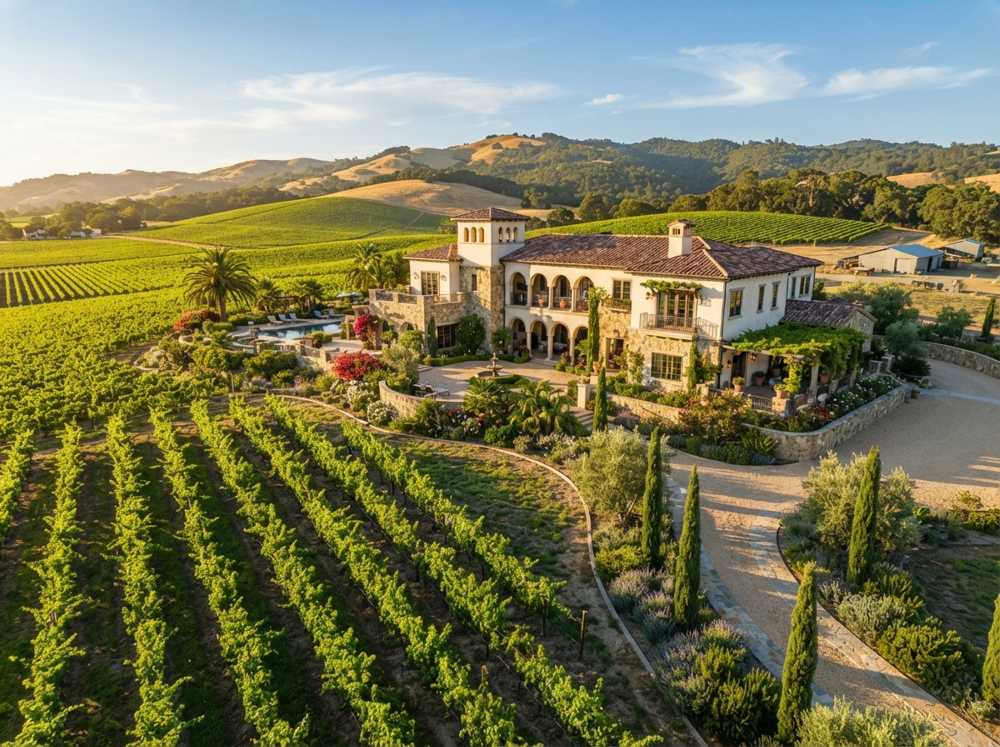
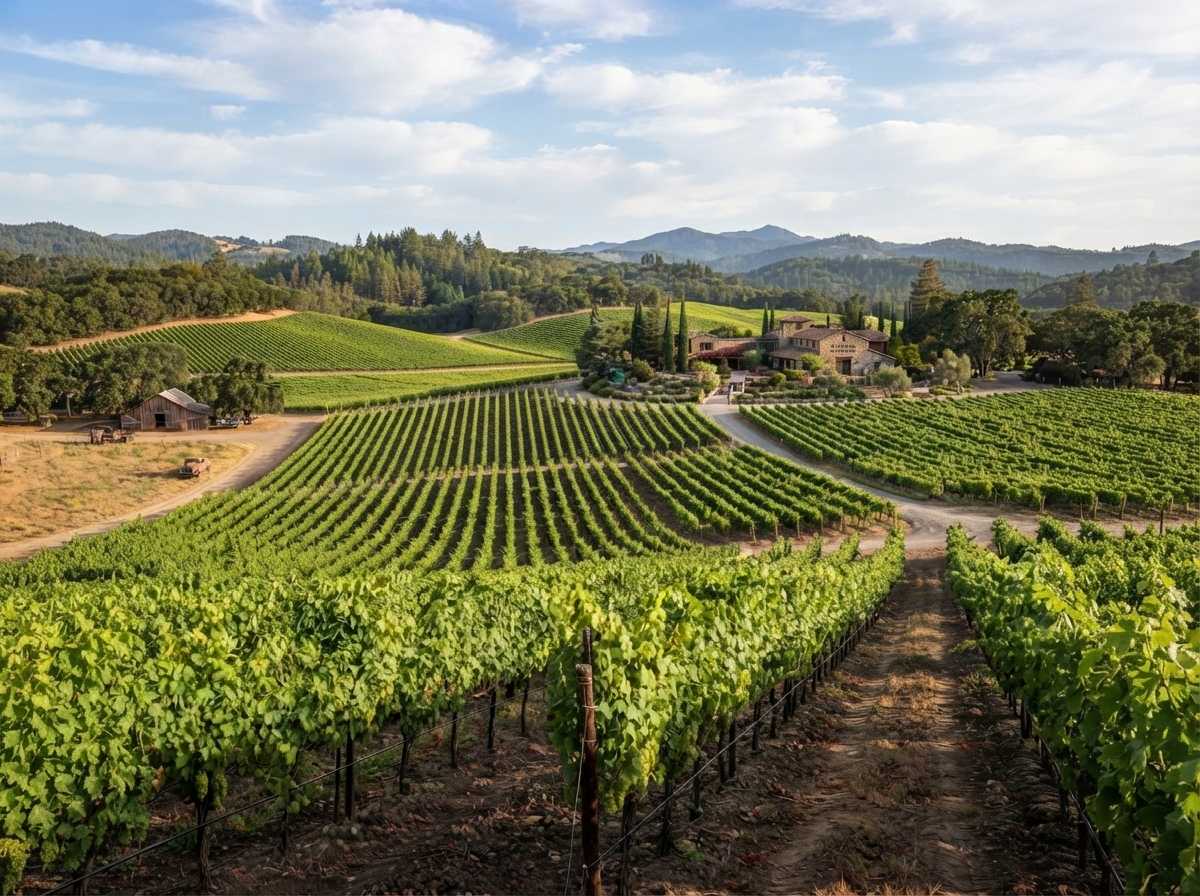
For some buyers, the vines support privacy, beauty, and wine-country identity rather than a primary business objective. The residence, outdoor living, views, gardens, guest space, and ease of ownership may lead the value story.

Vineyard-Adjacent Estate
A property overlooking or bordering vineyards can offer the setting without ownership of the planted acreage. Marketing must distinguish owned vines from views, neighboring agriculture, shared access, or surrounding land.

Vineyard-Potential Property
Unplanted or partially planted land may appear suitable for vines, but buyers should verify water, soils, sun, slope, frost, access, zoning, environmental constraints, costs, and agricultural feasibility before relying on future use.

Luxury Wine-Country Compound
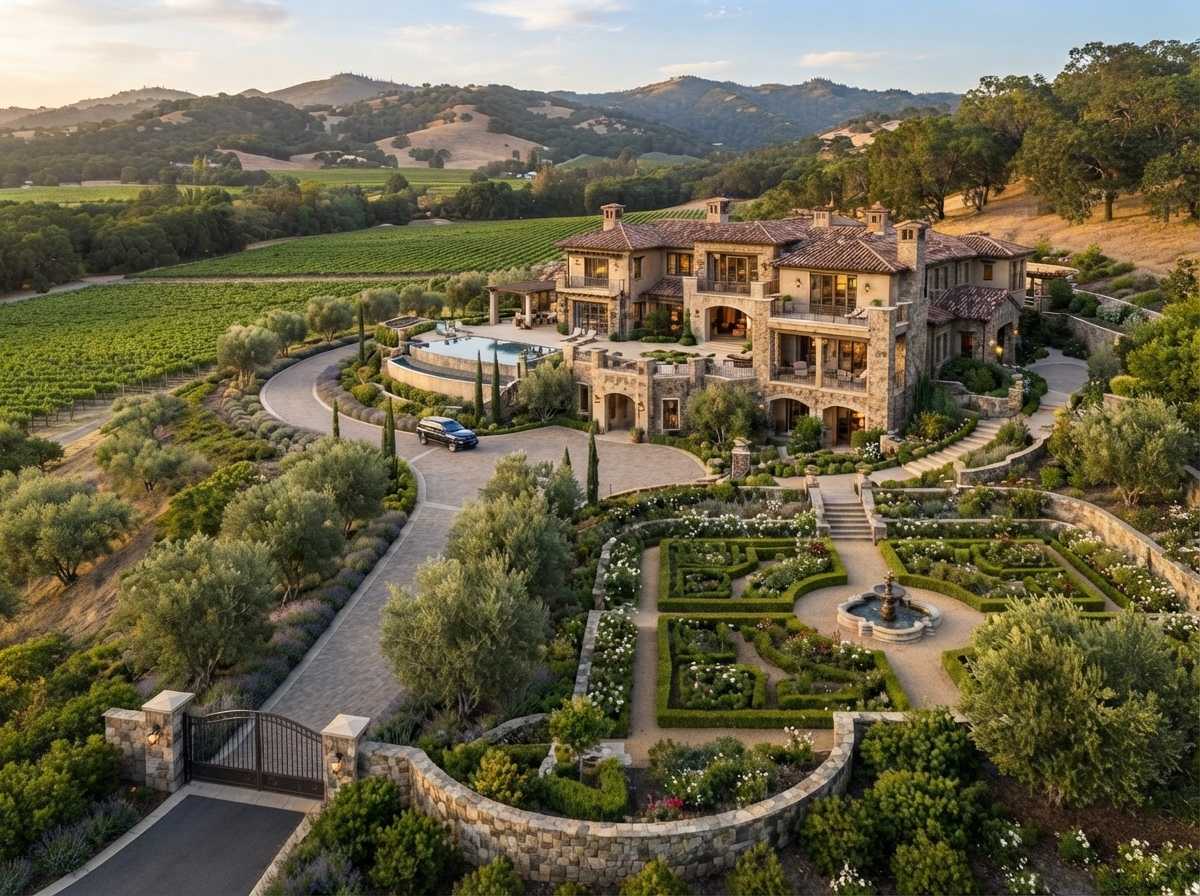
A high-end residence with guest accommodations, pool, gardens, vineyard elements, gates, and significant privacy may compete in both luxury and agricultural property segments. Presentation should integrate design, estate quality, land, and vineyard context.

Legacy Vineyard or Family Estate
Long-held properties may involve aging vines, family farming history, informal arrangements, multiple decision-makers, deferred improvements, or a transition from operational to lifestyle ownership. Preparation should respect the history while organizing facts for the current market.
How Location Changes the Vineyard and Estate Equation
Site conditions, vineyard identity, buyer demand, access, climate, views, and proximity to town vary substantially. A few planted acres near Sebastopol can occupy a different market position from a larger production-oriented parcel, a redwood-edge estate, or a coastal-influenced property.
Sebastopol and Graton
These areas can combine small vineyards, orchard heritage, gardens, country homes, guest spaces, and strong access to town. Buyers may value a manageable wine-country lifestyle as much as production potential.
Forestville and Russian River Influence
Forestville-area properties can sit among established vineyard corridors while remaining connected to river and rural lifestyles. Water, frost, roads, slope, varietal context, and proximity to services may influence appeal.
Occidental, Freestone, and Western Hills
Cooler, wooded, and coastal-influenced settings may offer distinctive estates and vineyard potential, but sun, moisture, soils, slope, access, water, fire, and feasibility require careful evaluation.
Broader Sonoma County Wine-Country Context
Vineyard and estate properties outside West County may emphasize different appellations, parcel sizes, varietals, agricultural uses, and buyer pools. The page should acknowledge broader Sonoma County expertise without diluting the West County focus.
Water, Vines, and the Systems Behind the Property
The residence may create the first impression, but agricultural systems and operating details can materially affect buyer confidence, financing, insurance, ownership costs, and negotiation. Sellers should organize available information early, and buyers should use qualified specialists where appropriate.

Water and Irrigation
Identify water sources, storage, distribution, irrigation layout, known limitations, maintenance, and available reports without promising future sufficiency.

Vines, Varietals, and Condition
Document planted acreage, varietals, rootstock or block information when available, vine age, condition, replacement history, farming approach, and recent observations.

Production, Farming, and Contracts
Organize available yield history, farming agreements, leases, grape contracts, management relationships, and termination or transfer questions for professional review.

Agricultural Improvements
Present barns, equipment storage, wells, pumps, tanks, frost systems, roads, drainage, fencing, and work areas according to condition and function.

Access, Utilities, and Estate Operations
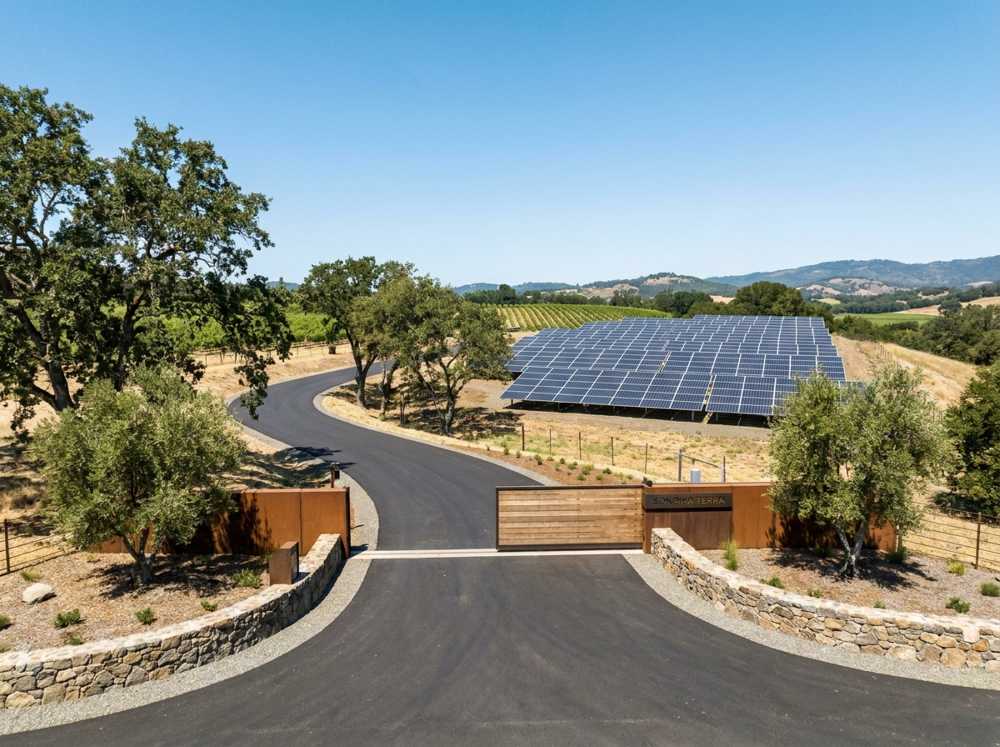
Evaluate roads, gates, service access, power, septic, internet, guest spaces, landscaping, security, and ongoing maintenance across the full property.

Fire, Insurance, and Environmental Context
Consider defensible space, vegetation, emergency access, insurance availability, erosion, creeks, wetlands, slopes, and other site-specific factors early.
Agricultural and Land-Use Questions Should Be Clarified Early
Vineyard and estate buyers may have plans involving new planting, replanting, expanded production, a winery or tasting use, events, short-term rentals, guest accommodations, agricultural buildings, subdivision, or additional residences. None should be assumed from appearance or past informal use.
I help clients identify the records and questions that should be directed to county departments, vineyard managers, viticulturists, water and septic professionals, surveyors, land-use consultants, engineers, lenders, insurers, accountants, attorneys, or other qualified advisers. The listing should distinguish verified facts from possibilities requiring investigation.

Zoning and agricultural use
Confirm applicable zoning, permitted uses, restrictions, and any Williamson Act or other program considerations with qualified sources.

Water and planting feasibility
Verify supply, rights, quality, storage, irrigation, well information, and feasibility before relying on expansion or new planting.

Vineyard records
Gather available block maps, varietal information, vine age, farming records, yield history, contracts, and management details.

Structures and permits
Clarify residences, guest spaces, barns, equipment buildings, septic work, wells, electrical systems, pools, and major improvements.

Environmental and site constraints
Investigate creeks, wetlands, slopes, erosion, protected resources, drainage, tree coverage, fire, and coastal influence as applicable.

Business, tax, and contract questions
Route income, depreciation, entity, labor, lease, grape contract, equipment, and tax questions to qualified professionals.
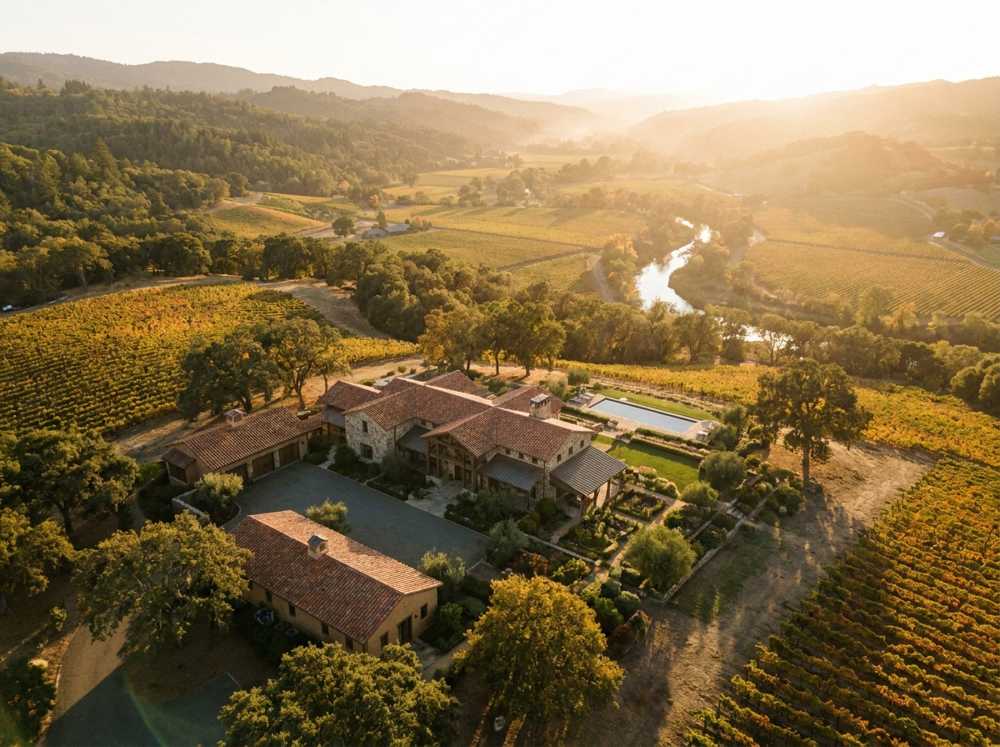
Pricing the Residence, Land, and Planted Acreage
Comparable residential sales may explain the house but not the vines, land, agricultural systems, guest improvements, privacy, or operating context. Agricultural comparisons may explain planted acreage while missing the design, condition, and lifestyle value of the estate.
The pricing strategy should determine which components drive the likely buyer’s decision and how much uncertainty the market may assign to condition, water, contracts, records, or future needs. A well-presented lifestyle vineyard, an active working property, and a luxury estate with vineyard views may compete in overlapping but different buyer pools.
Pricing should consider:
- Main residence, guest spaces, and estate improvements
- Planted and usable acreage
- Vineyard condition, age, and varietal context
- Water source, storage, and irrigation
- Production and farming information when relevant
- Contracts, leases, and management arrangements
- Agricultural buildings and equipment access
- Views, privacy, location, and road quality
- Fire, insurance, and maintenance context
- Comparable sales, active competition, and likely buyer pool
A Clearer Pre-Listing Plan
Preparation should make both the residence and the vineyard context understandable. The goal is not to turn every seller into a vineyard analyst. It is to organize available facts, identify important gaps, improve presentation, and give qualified buyers a credible path to deeper review.
Define the property’s primary market story
Decide whether the offering is led by production, lifestyle, estate quality, land, location, or a deliberate combination.
Gather vineyard and water records
Organize block maps, varietals, vine age, farming history, yields, contracts, water reports, irrigation information, and management contacts when available.
Review structures and permits
Collect records for the residence, guest areas, barns, equipment buildings, septic, wells, electrical work, pools, and major improvements.
Clarify farming and contract relationships
Identify who farms the vines, what agreements exist, key dates, equipment ownership, and which questions require professional review.
Prioritize high-confidence maintenance
Address visible safety, access, water intrusion, irrigation leaks, drainage, roads, gates, vegetation, and estate presentation issues that affect confidence.
Prepare vineyard and work areas
Make rows, roads, storage, pumps, tanks, barns, and equipment areas accessible and understandable without disrupting operations.
Prepare disclosures and specialist access
Surface known facts early and plan how inspectors, vineyard professionals, lenders, and insurers can evaluate the property.
Time photography around the property
Coordinate light, vineyard season, landscape, residence, views, gardens, and operational realities rather than photographing only the house.
EXPERT SELLER TIP
" Separate the residential story from the vineyard record set, then show how they support one property. Buyers can appreciate the romance while still finding the facts they need. "
Marketing Must Balance Estate Appeal with Operational Clarity
“Wine country” language is not enough. Serious buyers need to understand the residence, vineyard role, land, views, water, improvements, location, and ownership experience. The strongest presentation is visually compelling and factually disciplined.

Aerial and land context
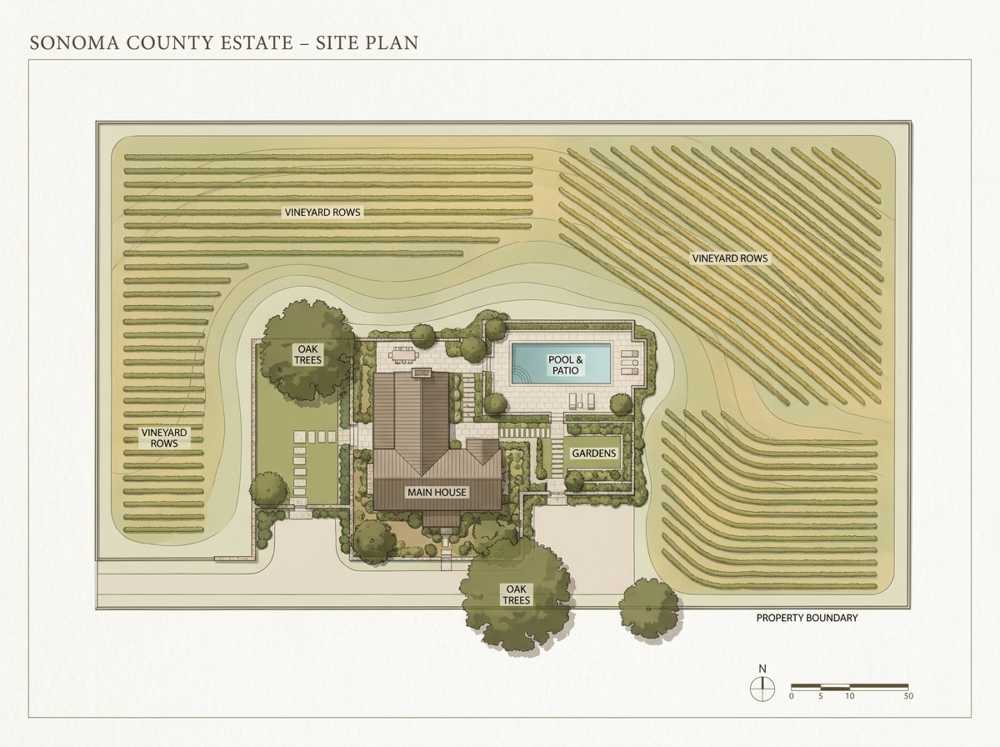
Show parcel relationships, planted areas, roads, structures, views, neighboring uses, and access without overstating boundary precision.

Site map and structure guide
Help buyers understand the residence, guest areas, vineyard blocks, wells, tanks, barns, roads, and other major features when verified.

Residential and estate photography
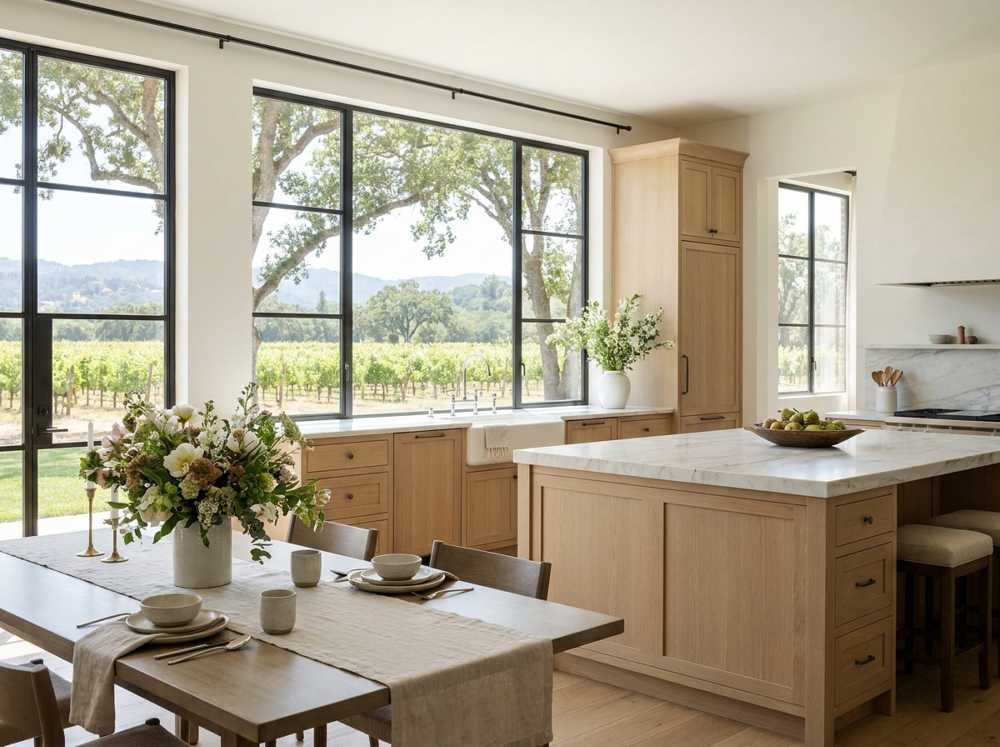
Present architecture, interiors, guest spaces, outdoor living, gardens, privacy, and condition at the appropriate level.

Vineyard visual documentation
Photograph representative blocks, rows, irrigation, terrain, agricultural buildings, and current condition at an appropriate time.

Organized information package
Provide verified residential and vineyard records through a clear due-diligence process for qualified buyers.

Property narrative by buyer intent
Distinguish production-focused, lifestyle, luxury, legacy, and land-opportunity narratives.

Targeted agent and buyer communication
Reach agents and buyers who understand the property’s actual mix of residential, agricultural, and lifestyle value.

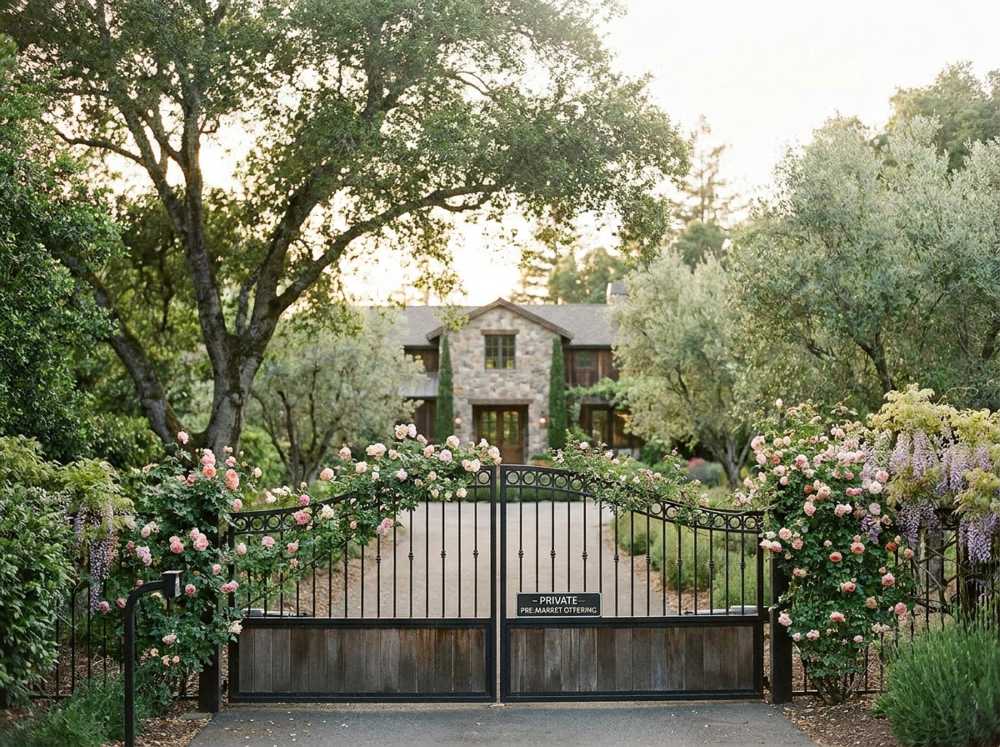
Private or pre-market outreach when appropriate
Consider discretion for family estates, occupied properties, narrow buyer pools, or sellers who need preparation time, while weighing the value of public exposure.
What Buyers Should Verify Before They Commit
The setting may be immediately persuasive. The long-term decision depends on whether the residence, vineyard, water, improvements, operations, location, and ownership responsibilities fit the buyer’s goals. Production or development assumptions should be verified before they influence an offer.

Vineyard Condition and Records
Review planted acreage, varietals, vine age, condition, farming history, yields, block information, and specialist observations as relevant.

Water and Site
Evaluate source, reliability, storage, irrigation, soils, sun, slope, frost, drainage, access, and environmental context with appropriate professionals.

Contracts and Operations
Understand farming, lease, grape, labor, management, equipment, and service relationships, including what transfers and what does not.

Residence and Improvements
Inspect the home, guest spaces, barns, equipment buildings, roads, septic, wells, power, pools, and material estate systems.

Financing, Insurance, and Tax
Discuss agricultural use, income assumptions, mixed-use characteristics, fire exposure, coverage, appraisal, and tax implications early with qualified advisers.

Lifestyle and Future Plans
Consider daily operations, privacy, maintenance, travel time, vendors, new planting, replanting, events, rentals, guest use, or expansion—and verify feasibility before relying on it.
When Discretion May Be Appropriate
Privacy can matter when a property is a family estate, an operating agricultural asset, occupied by employees or tenants, not yet ready for broad exposure, or likely to attract a narrow group of qualified buyers. Targeted outreach may help the seller control timing and information while preparation continues.
That does not make off-market exposure the default. Public marketing may create stronger competition, broader discovery, and better price validation. I help sellers compare confidentiality, preparation, buyer qualification, operational disruption, timing, and market reach before choosing a strategy. Buyers may also benefit from relationship-based outreach, without any guarantee that a private opportunity exists.
Integrated Representation for a Complex Offering
These properties sit between residential real estate, land, agriculture, lifestyle, and—in some cases—business operations. The agent’s role is to organize the property’s market story, identify decision-critical questions, coordinate the process, and bring in qualified specialists where conclusions exceed real-estate representation.
Property Classification
Determine whether production, estate, lifestyle, land, legacy, or luxury factors lead the buyer decision.
Local Market Interpretation
Explain how West County setting, access, climate, community, and buyer demand affect positioning.
Preparation Strategy
Organize records and focus work on clarity, maintenance, access, presentation, and confidence.
Pricing Judgment
Interpret residential, land, vineyard, improvement, and buyer-pool evidence together.
Buyer Education and Specialist Coordination
Give buyers a clear path to records and appropriate technical review without making unsupported conclusions.
Negotiation Judgment
Evaluate requests involving inspections, water, vines, contracts, structures, financing, insurance, and timing in context.

Explore Related Sonoma County Real Estate Guidance
Questions About Vines, Water, Operations, and Estate Ownership
A vineyard property includes owned planted acreage or a material vineyard operation as part of the parcel. A vineyard-adjacent property may offer views or setting without ownership of the vines. Marketing should make that distinction clear.
No. Some buyers focus on production, contracts, farming, and agricultural value. Others want a residence with wine-country setting, privacy, and a manageable lifestyle vineyard. The likely buyer intent should shape pricing and marketing.
Available block maps, planted acreage, varietals, vine age, rootstock information, farming history, yields, water and irrigation records, contracts, leases, management contacts, permits, improvement records, and equipment information can all be relevant.
Water source, reliability, rights, storage, quality, irrigation, distribution, and competing property needs can be central. Buyers should use qualified water, vineyard, legal, and land-use professionals before relying on future production or expansion.
Pricing may consider the residence, guest and agricultural improvements, planted and usable acreage, vine condition, water, production context, contracts, location, views, privacy, access, buyer demand, comparable sales, and active competition. No single metric explains every property.
Records may be available, but contracts, management relationships, customers, equipment, labor, and future production do not necessarily transfer automatically. Buyers should review the specific agreements and assets with qualified advisers.
A lifestyle vineyard is generally purchased primarily for residential experience, beauty, identity, or limited personal production rather than as a stand-alone commercial operation. The term should not replace factual disclosure about the vines and farming arrangements.
Possibly, but appearance is not proof of feasibility. Water, soils, sun, slope, frost, access, zoning, environmental constraints, costs, permits, and long-term management should be investigated before a buyer relies on planting potential.
Depending on the property, buyers may review vines, irrigation, wells, storage, pumps, roads, drainage, agricultural buildings, septic, power, fire access, equipment areas, guest structures, contracts, and environmental conditions with appropriate specialists.
Some may require more review because of agricultural use, income assumptions, acreage, mixed-use features, wells, septic, fire exposure, outbuildings, or unique appraisal issues. Buyers should speak with experienced lenders and insurers early.
Sometimes discretion or targeted outreach supports the seller’s goals, especially for family estates or operating properties. Public exposure may still create broader competition and price discovery. The choice should follow a deliberate comparison of privacy, timing, disruption, and market reach.
I can help identify decision-critical questions, organize information, position the property, and coordinate the real-estate process. Viticultural, water, legal, tax, engineering, land-use, lending, insurance, and contract conclusions should come from qualified professionals.
Ready to Evaluate the Whole Property?
Vineyard and wine-country estate properties deserve a strategy that respects both the appeal and the complexity of the offering. The residence, land, vines, water, improvements, setting, records, and buyer intent should work together in one clear decision path.
Whether you are preparing a West County lifestyle vineyard, evaluating a working property, selling a legacy family estate, or comparing a residence with vineyard views and agricultural potential, begin with a property-specific conversation.